Can Lightning Strike Cause a Fire?
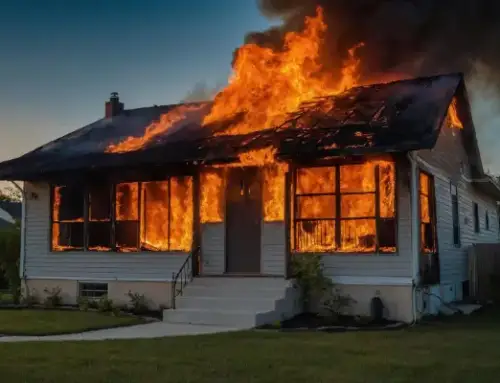
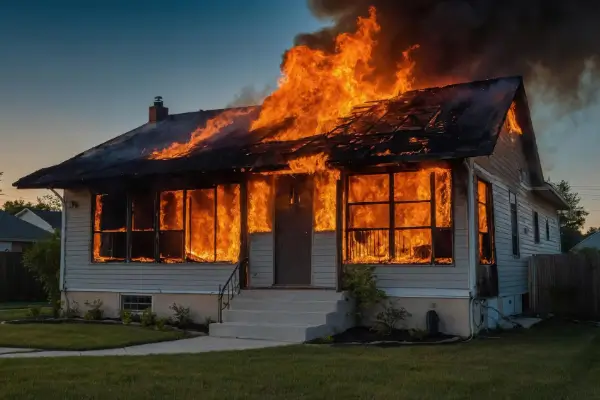
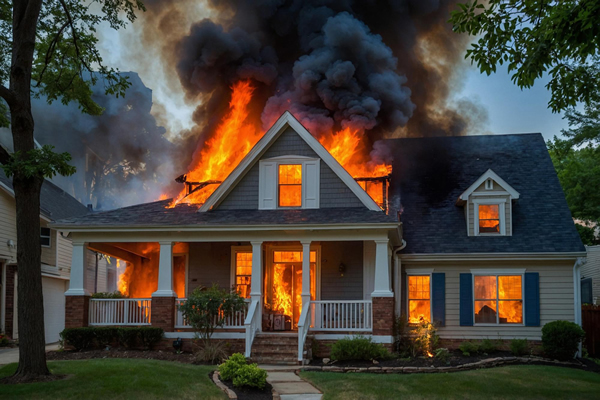
Short answer: yes—lightning can absolutely start a house fire. In Louisiana and across the Gulf Coast, frequent storms, high humidity, and coastal exposure make homes especially vulnerable. If your property isn’t properly protected, a single strike can ignite your roof, wiring, or structural components in seconds.
This guide explains how lightning causes fires, where your home is most at risk, and what you can do right now to prevent it.
🔥 How Lightning Causes House Fires
A lightning bolt can reach temperatures hotter than the surface of the sun and carry millions of volts. When it hits a home, that energy has to go somewhere—and if it doesn’t have a safe path to ground, it turns into heat, sparks, and fire.
The most common fire-starting scenarios:
- Direct Roof Strike
- Lightning hits shingles, flashing, or roof peaks
- Superheats materials instantly
- Can ignite wood framing or attic insulation
- Electrical System Surge
- Travels through wiring, breaker panels, and outlets
- Overloads circuits → sparks behind walls
- Fires often start out of sight and spread quickly
- Side Flash / Nearby Strike
- Lightning hits a nearby tree, pole, or structure
- Energy “jumps” into your home
- Can ignite siding, wiring, or interior materials
- Gas & Utility Line Ignition
- Extreme heat can rupture or ignite gas lines
- Higher risk in older homes or exposed systems
🏠 Where Fires Typically Start
Lightning-related fires often begin in hidden areas:
- Attics (most common)
- Behind walls (electrical wiring)
- Roof structures & rafters
- Near chimneys or vents
- Adjacent trees or structures
👉 That’s what makes them dangerous—you may not see the fire until it’s already spreading.
🌪️ Why Louisiana Homes Are at Higher Risk
Louisiana consistently ranks among the most lightning-prone regions in the U.S. Homes in these areas face elevated risk:
- New Orleans (dense structures + coastal storms)
- Baton Rouge (high strike frequency)
- Lafayette & Lake Charles (Gulf storm exposure)
- Shreveport & Monroe (summer storm activity)
Key risk factors:
- Frequent thunderstorms & hurricane systems
- Flat terrain (more exposed structures)
- Tall trees near homes
- Waterfront and rural properties
⚠️ Signs Lightning May Have Started a Fire
After a storm, watch for:
- Burning smell (especially in attic or outlets)
- Flickering lights or power issues
- Scorch marks on outlets or walls
- Tripped breakers that won’t reset
- Smoke from roofline or vents
🚨 If you suspect a strike—call emergency services immediately.
🛡️ How to Prevent Lightning Fires
The good news: lightning fires are highly preventable with the right system.
Install a Lightning Protection System
A professionally installed system:
- Intercepts lightning strikes
- Safely directs energy into the ground
- Prevents heat buildup and ignition
Proper Grounding
- Critical for safely dispersing lightning energy
- Must meet national safety standards (NFPA/UL)
Regular Inspections
- Ensure your system is intact and compliant
- Especially important after major storms
💡 Are Surge Protectors Enough?
No. Plug-in surge protectors alone will NOT stop a lightning fire.
They:
- Protect devices
- Do NOT stop direct strikes
- Do NOT protect your structure
👉 You need a complete lightning protection system for real safety.
💰 Does Insurance Cover Lightning Fires?
Most homeowners insurance policies do cover lightning damage, but:
- Claims can be denied without proper documentation
- Payouts may not cover full rebuilding costs
- Prevention is always cheaper than recovery
⚡ Protect Your Coastal Home with Strike Safe Lightning
If you’re in Louisiana or anywhere along the Gulf Coast, proactive protection is essential.
Strike Safe Lightning provides:
- Residential & commercial lightning protection
- Code-compliant installations (NFPA 780 & UL standards)
- Coverage across all major Louisiana cities and Gulf Coast states
- Free inspections and estimates
📞 Get a Free Lightning Risk Assessment
Don’t wait until after a strike.
👉 Protect your home before the next storm hits.
- Schedule a free inspection
- Get a custom lightning protection plan
- Safeguard your home, family, and investment
❓ FAQ
Can lightning strike the same house twice?
Yes. Homes—especially in open or elevated areas—can be struck multiple times.
Is a metal roof safer?
Metal roofs don’t attract lightning, but they still require proper grounding.
How common are lightning house fires?
Thousands of fires occur annually in the U.S. due to lightning—many in storm-heavy states like Louisiana.
About Strike Safe Lightning Protection
Strike Safe Lightning Protection is a Louisiana based lightning protection company. At Strike Safe Lightning Protection, we specialize in professional lightning rod installation backed by 3 generations of experience. Our team has built a trusted reputation for delivering high-quality craftsmanship, dependable service, and affordable lightning protection solutions for homes, farms, and commercial properties.
We proudly provide nationwide service with a strong focus on the Gulf Coast and Southern regions. Our primary service areas include New Orleans, Lake Charles, Lafayette, Baton Rouge, Gulfport, Mobile, Gulf Shores, Hattiesburg, Memphis, Little Rock, Jonesboro, Beaumont, Montgomery, Rapid City, Austin, and Pensacola.
Whether you need lightning protection for a residential home, agricultural structure, or commercial building, we design and install proven systems that help prevent lightning damage and protect what matters most.