Why Are Barns Frequently Struck by Lightning? | Strike Safe Lightning Protection
Barns are among the most vulnerable structures during severe thunderstorms, especially across Louisiana, Florida, Texas, Mississippi, Arkansas, and Gulf Coast regions where lightning activity is extremely common. Each year, lightning strikes cause devastating barn fires, electrical damage, livestock injuries, and costly property losses.
At Strike Safe Lightning Protection, we specialize in professional lightning protection system installation for barns, horse farms, agricultural buildings, and metal structures throughout Louisiana, Florida, Texas, Mississippi, Arkansas, and Gulf Coast communities.
One of the most common questions property owners ask is:
Why Are Barns Frequently Struck by Lightning?
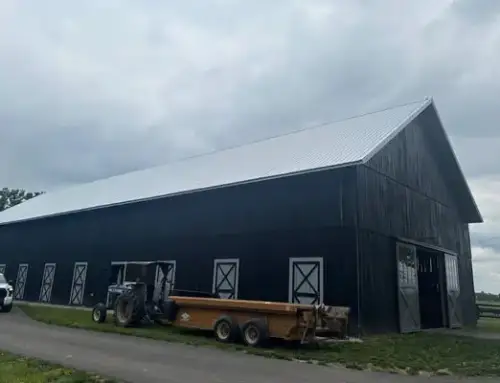
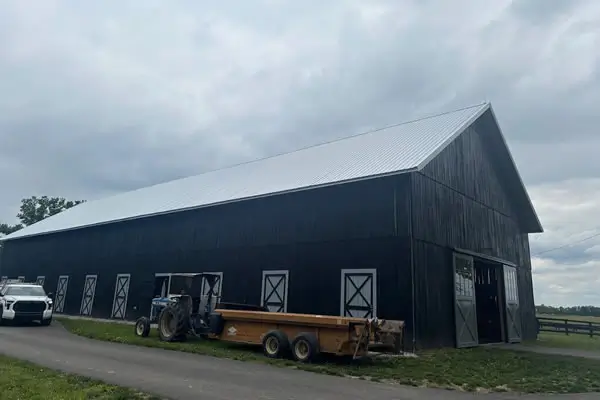
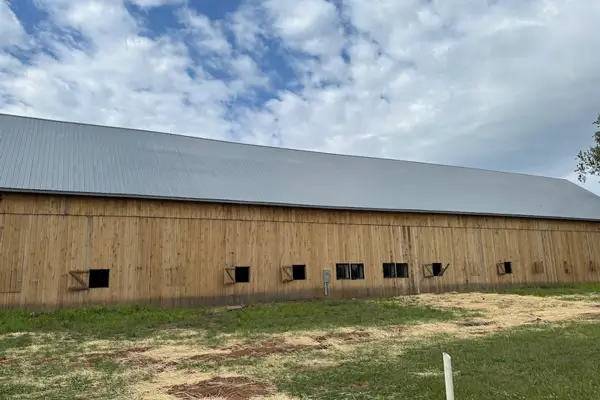
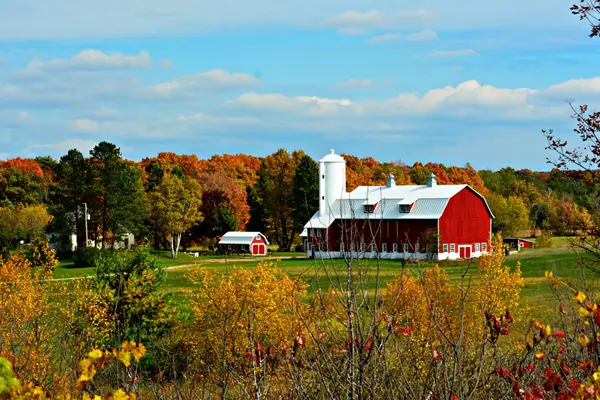
Barns are often struck by lightning because they are commonly located in open rural areas, are taller than surrounding structures, and frequently contain conductive metal materials that can help lightning travel through the building.
Without a professionally installed lightning protection system, barns can become high-risk targets during thunderstorms.
Open Fields Increase Lightning Exposure
Most barns are built in wide-open areas such as:
- Horse farms
- Ranches
- Agricultural fields
- Pastures
- Rural properties
Lightning naturally seeks the easiest path to the ground. In open terrain, a barn may become one of the tallest objects in the area, making it more vulnerable to lightning strikes.
This is especially common across the Gulf Coast and southern states where strong thunderstorms occur regularly.
Metal Barns Can Conduct Lightning Energy
Many modern barns contain metal components including:
- Metal roofing
- Steel framing
- Electrical wiring
- Metal stalls
- Water lines
- Equipment storage areas
While metal itself does not “attract” lightning, it can conduct dangerous electrical energy throughout the structure if a strike occurs.
A properly designed lightning protection system safely redirects that energy into the ground before damage occurs.
Barn Fires Caused by Lightning
Lightning strikes are a major cause of barn fires across Louisiana, Texas, Florida, Mississippi, and Arkansas.
When lightning strikes an unprotected structure, temperatures can exceed 50,000 degrees Fahrenheit. This can ignite:
- Dry hay
- Wooden framing
- Insulation
- Dust particles
- Electrical systems
Barn fires often spread quickly and may endanger livestock, equipment, and nearby buildings.
Livestock Are Also at Risk
Lightning can be extremely dangerous for animals housed inside or near barns.
Large animals such as horses and cattle are particularly vulnerable because electrical current can travel through the ground after a nearby strike.
Lightning protection systems help reduce risks to:
- Horses
- Cattle
- Livestock shelters
- Riding arenas
- Fencing systems
- Watering equipment
Protecting animals is one of the most important reasons many farm owners invest in professional lightning protection.
Why Gulf Coast States Experience More Lightning
States along the Gulf Coast experience some of the highest lightning activity in the United States due to:
- High humidity
- Warm temperatures
- Frequent thunderstorms
- Tropical weather systems
- Hurricane season activity
Areas such as Louisiana, Gulfport, coastal Mississippi, Florida, and eastern Texas regularly experience intense storm conditions capable of producing dangerous lightning strikes.
Common Barn Structures That Need Lightning Protection
Lightning protection is recommended for many agricultural structures, including:
- Horse barns
- Pole barns
- Riding arenas
- Equipment sheds
- Hay storage buildings
- Dairy barns
- Poultry facilities
- Metal agricultural buildings
Both wood and metal barns benefit from professionally installed systems.
What Is Included in a Barn Lightning Protection System?
A complete barn lightning protection system typically includes:
- Lightning rods (air terminals)
- Copper or aluminum conductors
- Grounding electrodes
- Bonding components
- Surge protection devices
These components work together to safely carry lightning energy away from the structure and into the earth.
Where Are Lightning Rods Installed on Barns?
Lightning rods are usually installed at the highest points of the structure, including:
- Roof ridges
- Barn peaks
- Cupolas
- Metal roof sections
- Large overhangs
The exact placement depends on the size and layout of the barn.
Proper grounding is equally important to ensure lightning energy is safely dispersed.
Do Metal Roofs Protect Barns From Lightning?
This is a common misconception.
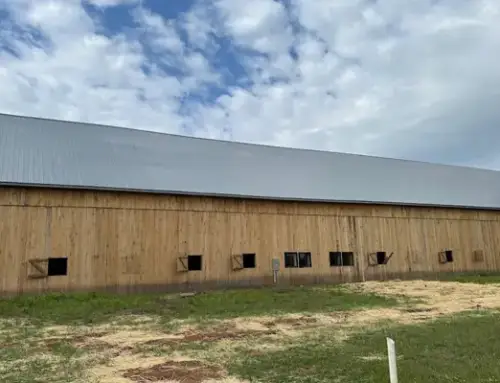
Metal roofing alone does not provide complete lightning protection. Without a properly engineered grounding system, lightning energy can still damage:
- Electrical systems
- Equipment
- Structural components
- Livestock areas
Professional lightning protection systems are designed to safely manage the electrical discharge.
Why Professional Installation Matters
Lightning protection systems should always be installed by experienced professionals familiar with agricultural structures and national safety standards.
At Strike Safe Lightning Protection, we design and install lightning protection systems for barns, horse farms, metal buildings, and agricultural facilities throughout:
- Louisiana
- Florida
- Texas
- Mississippi
- Arkansas
- Gulf Coast regions
We help protect:
- Livestock
- Equipment
- Electrical systems
- Agricultural operations
- Barn structures
- Riding arenas
Protect Your Barn Before Storm Season
A single lightning strike can cause catastrophic damage to an agricultural property. Investing in a professionally installed lightning protection system can help reduce fire risks, electrical damage, and costly downtime.
Strike Safe Lightning Protection provides reliable lightning protection installation services for barns and agricultural properties across Louisiana, Florida, Texas, Mississippi, Arkansas, and Gulf Coast communities.
Frequently Asked Questions
Do barns really need lightning rods?
Yes. Barns are highly exposed structures and are commonly located in open fields where lightning activity is more dangerous.
Can lightning kill livestock inside a barn?
Yes. Lightning energy can travel through the ground, metal systems, and electrical wiring, creating dangerous conditions for animals.
How many lightning rods does a barn need?
The number depends on the size, height, and design of the structure. Larger barns typically require multiple air terminals and grounding points.
Can lightning strike a metal barn?
Yes. Metal barns can still be struck by lightning and require proper grounding and protection systems.
Are lightning protection systems expensive compared to fire damage?
In most cases, the cost of installing a lightning protection system is far lower than the cost of rebuilding after a lightning-related barn fire.
About Strike Safe Lightning Protection
Strike Safe Lightning Protection is a Louisiana based lightning protection company. At Strike Safe Lightning Protection, we specialize in professional lightning rod installation backed by 3 generations of experience. Our team has built a trusted reputation for delivering high-quality craftsmanship, dependable service, and affordable lightning protection solutions for homes, farms, and commercial properties.
We proudly provide nationwide service with a strong focus on the Gulf Coast and Southern regions. Our primary service areas include New Orleans, Lake Charles, Lafayette, Baton Rouge, Gulfport, Mobile, Gulf Shores, Hattiesburg, Memphis, Little Rock, Jonesboro, Beaumont, Montgomery, Rapid City, Austin, and Pensacola.
Whether you need lightning protection for a residential home, agricultural structure, or commercial building, we design and install proven systems that help prevent lightning damage and protect what matters most.