A Complete Guide for Lightning Protection System
How Does a Lightning Protection System Work?
Protecting Florida Homes & Businesses with Strike Safe Lightning
Florida is known as the lightning capital of the United States, experiencing more lightning strikes than any other state. With frequent thunderstorms, high humidity, and coastal weather patterns, lightning poses a serious risk to homes, businesses, churches, marinas, and industrial facilities. That’s why understanding how a lightning protection system works is essential for property owners across Florida.
At Strike Safe Lightning, we specialize in professional lightning protection systems designed to safeguard structures from the devastating effects of lightning strikes.
What Is a Lightning Protection System?
A lightning protection system (LPS) is a network of engineered components that safely intercept, conduct, and disperse lightning energy into the ground—preventing damage to buildings, electrical systems, and occupants.
Contrary to popular belief, lightning protection systems do not attract lightning. Instead, they provide a safe, low-resistance path for lightning energy when a strike occurs.
Why Lightning Protection Is Critical in Florida
Florida experiences:
- Over 1.2 million lightning strikes per year
- Frequent summer thunderstorms
- Coastal exposure and high water tables
- Increased risk to tall structures and metal-roofed buildings
Without proper lightning protection, a single strike can cause:
- Structural fires
- Electrical system failure
- Damage to appliances and HVAC systems
- Costly downtime for businesses
- Safety risks to occupants
Installing a lightning protection system is a proactive investment in safety and property preservation.
How Does a Lightning Protection System Work?
A lightning protection system works by controlling lightning’s path and safely dissipating its energy. The system consists of five primary components:
- Air Terminals (Lightning Rods)
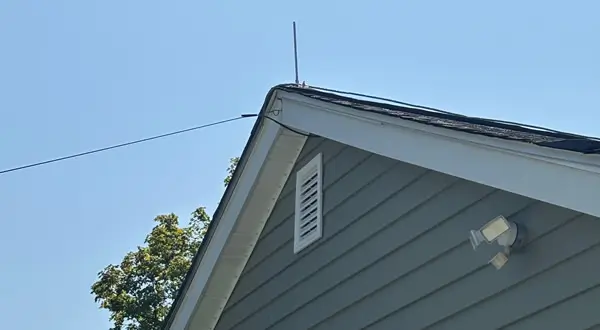
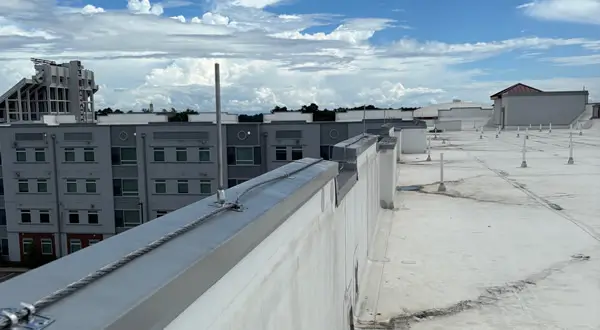
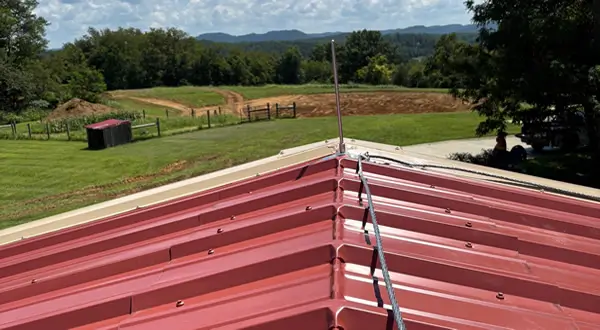
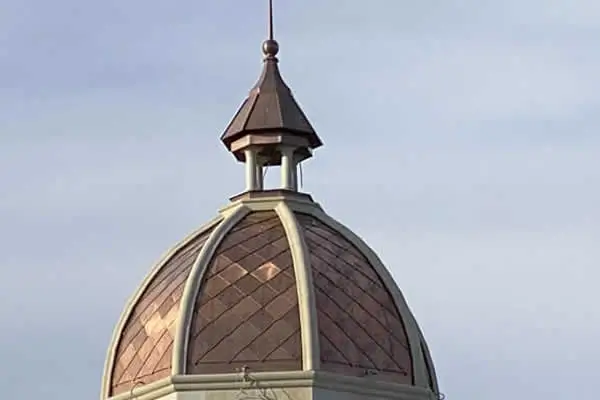
Air terminals, commonly called lightning rods, are placed at strategic points on the roof, ridges, chimneys, and high edges of a structure.
Their role:
- Intercept a lightning strike
- Prevent lightning from passing through the building materials
These rods are designed according to NFPA 780 and UL standards, ensuring proper spacing and coverage for Florida structures.
- Conductors
Once lightning is intercepted, copper or aluminum conductors carry the electrical energy safely downward.
Conductors:
- Run along the roof and exterior walls
- Provide a continuous, low-resistance path
- Prevent side flashing and internal damage
Strike Safe Lightning installs concealed or aesthetically integrated conductors whenever possible.
- Bonding Components
Bonding is one of the most critical yet overlooked aspects of lightning protection.
Bonding ensures:
- All metal components (HVAC units, gutters, solar panels, antennas) are electrically connected
- No dangerous voltage differences occur during a lightning strike
Proper bonding significantly reduces fire risk and electrical surges inside the building.
- Grounding System
The grounding system safely disperses lightning energy into the earth.
In Florida, soil composition and high moisture levels require specialized grounding solutions, including:
- Ground rods
- Ground plates
- Chemical grounding when necessary
Strike Safe Lightning customizes grounding systems to meet Florida’s soil conditions and local codes.
What Happens During a Lightning Strike?
When lightning strikes a protected structure:
- The air terminal intercepts the strike
- Energy flows through conductors
- Bonded systems equalize voltage
- Energy is safely dispersed into the ground
- Electrical systems remain protected
This entire process occurs in milliseconds, preventing damage, fire, and injury.
Does Lightning Protection Prevent All Damage?
A professionally installed lightning protection system:
- Greatly reduces risk
- Protects structural integrity
- Prevents fires and catastrophic damage
While no system can stop lightning itself, a properly designed system controls its effects and protects what matters most.
Lightning Protection for Florida Properties
Strike Safe Lightning provides lightning protection for:
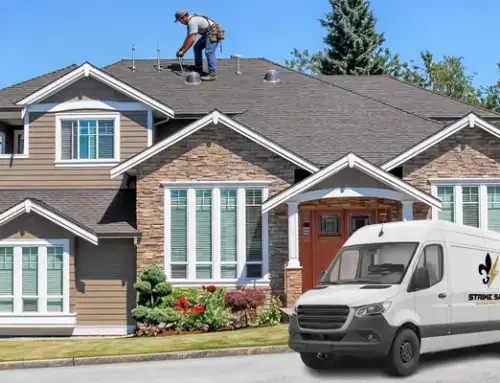
- Residential homes
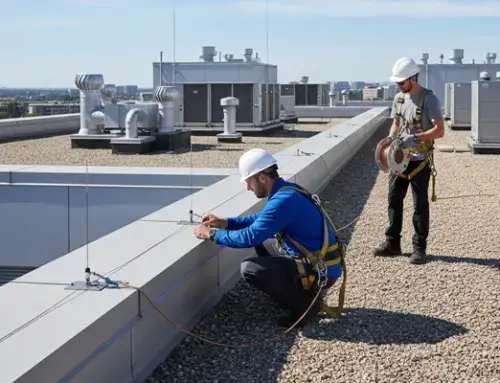
- Commercial buildings
- Churches and schools
- Agricultural facilities
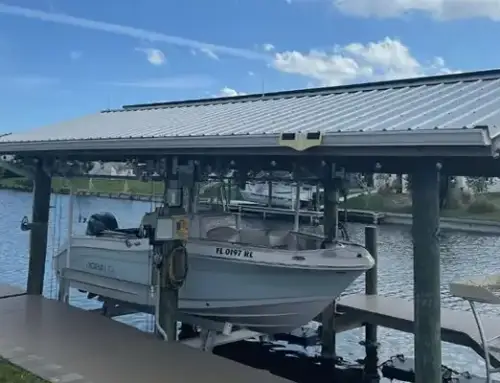
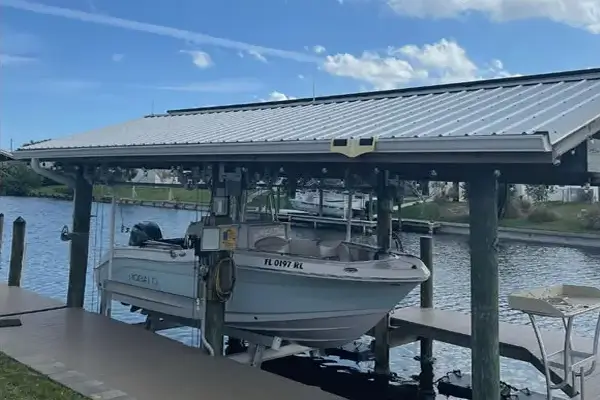
- Coastal and marine structures
- Warehouses and industrial sites
Every system is custom-engineered for Florida weather patterns, building codes, and environmental conditions.
Why Choose Strike Safe Lightning?
✔ Florida-focused lightning protection expertise
✔ NFPA 780 & UL-compliant installations
✔ High-quality copper and aluminum materials
✔ Professional, code-compliant grounding solutions
✔ Serving Florida and the Gulf Coast region
We understand the unique lightning risks Florida property owners face—and we design systems that last.
Schedule a Lightning Protection Consultation
If you own property in Florida, now is the time to protect it. A professionally installed lightning protection system can mean the difference between minor inconvenience and major loss.
📍 Strike Safe Lightning
🌐 www.louisianalightningprotection.com
Protect your property. Reduce your risk. Strike Safe.
Cost of Lightning Protection System
Installing a lightning protection system in high-risk states such as Louisiana, Florida, Texas, Mississippi, and Arkansas typically costs between $2,000 and $6,000 on average. The cost of commercial lightning protection systems varies widely depending on building size, roof structure, material selection, installation complexity, and grounding system requirements. The final price varies based on several key factors, including the size of the structure, roof height and pitch, roof complexity, location, and grounding requirements.
A properly designed lightning rod system must comply with UL (Underwriters Laboratories) standards and NFPA 780 (National Fire Protection Association) guidelines to ensure maximum safety, performance, and code compliance. Because grounding and bonding are critical to system effectiveness, it is strongly recommended to hire licensed lightning protection professionals for installation to ensure long-term reliability and proper system performance.
At Strike Safe Lightning Protection, we specialize in providing high-quality, UL-listed, NFPA 780–compliant lightning protection systems for residential and commercial properties. Our systems are designed for durability, safety, and affordability, making lightning protection a cost-effective investment compared to the potential damage, repairs, downtime, and insurance claims caused by a direct lightning strike.
Factors That Affect Lightning Protection System Pricing
Several important factors influence the total cost of a lightning protection system:
Material: Copper components are more expensive than aluminum but offer superior durability and longer lifespan, especially in coastal or high-salinity environments.
Roof Complexity: Steep roof pitches, multi-level structures, and hard-to-access areas increase labor time, installation difficulty, and overall project cost.
Soil Type: Ground conditions such as rocky terrain or sandy soils—common in coastal regions—may require deeper drilling and specialized grounding methods, which can increase installation requirements and cost.
With custom system design, expert installation, and free cost evaluations, Strike Safe Lightning Protection helps property owners protect their investment while staying within budget.
Rating on Google
-
The job was completed without any issues. We kind of threw them a curve ball the day they were supposed to arrive by changing some of the "installation" options,... read more
 Leroy “LDiss” Dissinger
-
When I was a kid my childhood home burned down. Freak lightning strike accident, lost everything. I’m older now and finally had the means to get lightning protection for myself,... read more
Nick Shinners
-
Great communication and service.
Brian Sharp
-
Great work and awesome customer service! Harry was a pleasure to work with. The whole process from start to finish was easy. He did a great job of answering any... read more
heliodoro reyes
-
Harry did a fantastic job in making sure our home was protected. He was very professional and polite while walking me through the process and answering any questions I had!... read more
Daniel Powel
-
I had such a great experience with this local business, and I have to give a huge shoutout to Harry! From the moment I walked in, he was incredibly welcoming,... read more
Allison Browning
-
These guys where great they came out and made sure everything was done the way they said and answered all of my questions thank you guys
Joe Daley
-
I've worked with strike safe lightning on two separate projects repairs on an office building I own and a full installation at the church I attend and I can confidently... read more
Patrice ham
-
We had Louisiana light protection installed a lightning rod system on our house during building stages so all the cables were hid Very happy with the work recommend.
Pat Gorman




About Strike Safe Lightning Protection
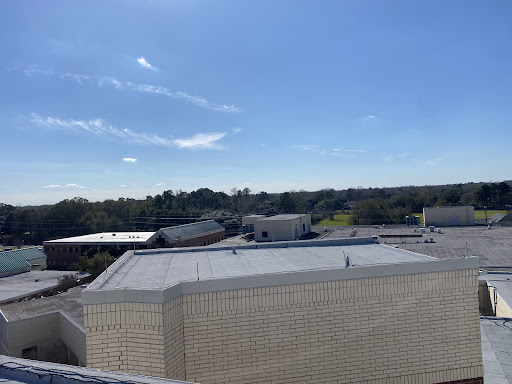
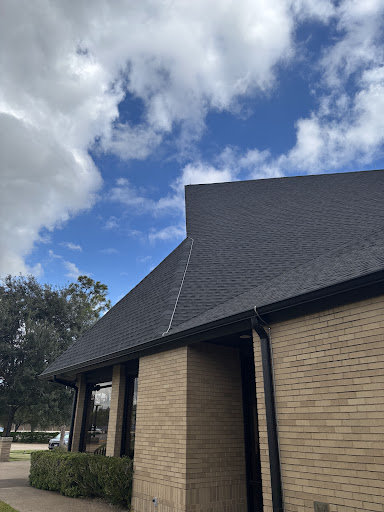
Strike Safe Lightning Protection is a Louisiana based lightning protection company. At Strike Safe Lightning Protection, we specialize in professional lightning rod installation backed by 3 generations of experience. Our team has built a trusted reputation for delivering high-quality craftsmanship, dependable service, and affordable lightning protection solutions for homes, farms, and commercial properties.
We proudly provide nationwide service with a strong focus on the Gulf Coast and Southern regions. Our primary service areas include New Orleans, Lake Charles, Lafayette, Baton Rouge, Gulfport, Mobile, Gulf Shores, Hattiesburg, Memphis, Little Rock, Jonesboro, Beaumont, Montgomery, Rapid City, Austin, and Pensacola.
Whether you need lightning protection for a residential home, agricultural structure, or commercial building, we design and install proven systems that help prevent lightning damage and protect what matters most.