
Call 225-406-0295 for Lightning Protection System Installation
Residential and Commercial Lightning Rods
Protecting Homes, Farms, and Businesses from Lightning
While both residential and commercial lightning protection systems are designed to safely intercept and direct lightning energy into the ground, there are important differences in system size, design, materials, and complexity.
At Strike Safe Lightning Protection, we install custom lightning protection systems for both homes and large commercial or industrial facilities throughout Louisiana, Florida, Texas, Mississippi, Arkansas, and Gulf Coast coastal areas.
Lightning Protection System Services:
- Risk Assessments
- Custom Lightning Protection System Design
- Professional Installation
- Retrofit of Existing Lightning Rods
- Grounding Services
- Testing & Inspections
- Maintenance & Repair
Call Today or Request a Free Estimate for Lightning Protection Installation and Risk Assessment
Get a Free Estimate for a Lightning Protection System for Your Property — Available 24/7
Why Professional Design Matters
Every structure is different. Proper lightning protection system design depends on:
- Building height
- Roof design
- Occupancy type
- Electrical systems
- Location
- Exposure to storms
- Coastal conditions
- NFPA 780 requirements
A professionally designed system ensures lightning energy follows a controlled path safely into the ground.
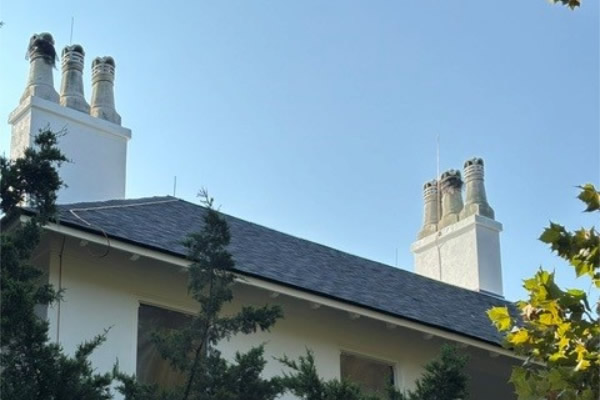
Residential Lightning Rod Systems
Residential lightning protection systems are designed specifically for homes, small buildings, barns, and private properties.
Typical Features of Residential Systems
Residential systems usually include:
- Roof-mounted lightning rods (air terminals)
- Copper or aluminum conductors
- Ground rods around the home
- Bonding of metal components
- Whole-home surge protection
The system is designed to protect:
- Roof structures
- Electrical systems
- Appliances and electronics
- HVAC systems
- Solar panels
- Generators
- Family safety
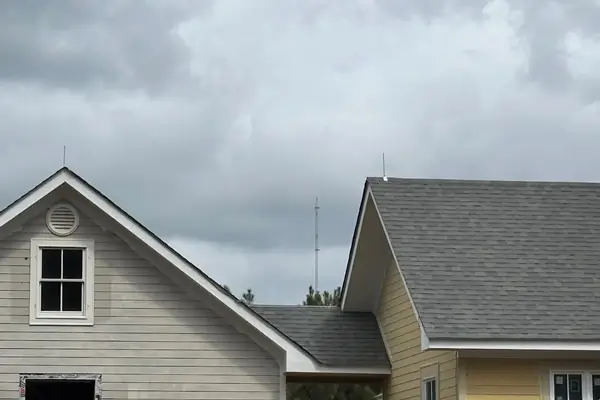
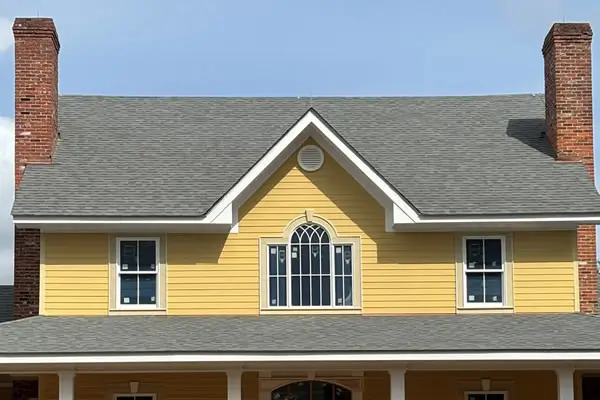
Residential Lightning Rod Placement
On homes, lightning rods are commonly installed on:
- Roof ridges
- Roof peaks
- Chimneys
- Dormers
- Roof edges
- Cupolas
- High points of the structure
Most residential homes use fewer air terminals than commercial systems because the structures are smaller and less complex.
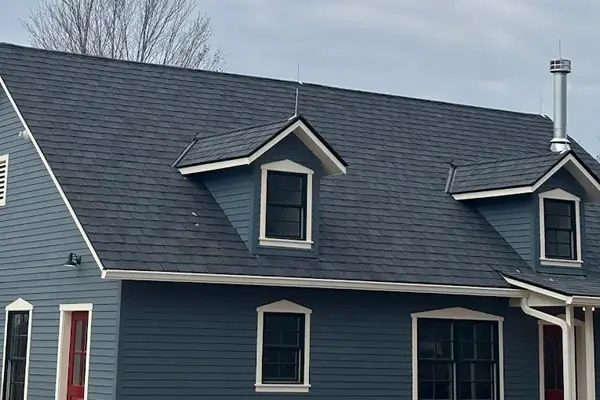
Residential System Appearance
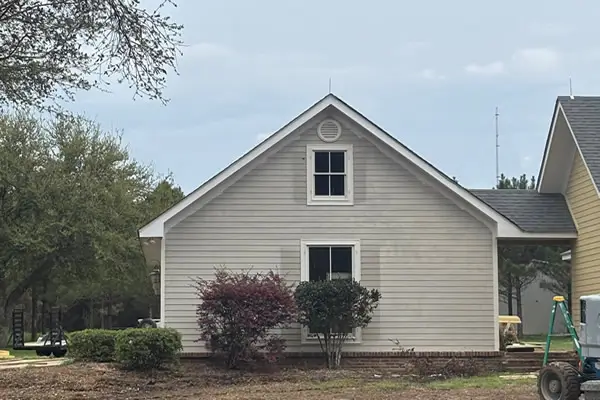
Modern residential lightning rods are designed to blend with the home’s appearance whenever possible. Components can often be matched to roofing and trim colors for a cleaner look.
Residential System Size
A typical residential lightning protection system is smaller and uses:
- Fewer conductors
- Fewer grounding points
- Shorter cable runs
- Simpler layouts
However, every home is different, especially larger custom homes or waterfront properties along the Gulf Coast.
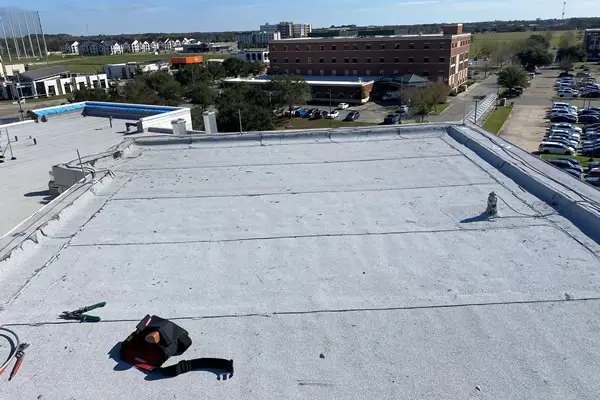
Commercial Lightning Rod Systems
Commercial lightning protection systems are much larger and more complex because commercial and industrial buildings usually have:
- Larger roof areas
- Multiple roof levels
- Mechanical equipment
- Extensive electrical systems
- Sensitive electronics
- Communication systems
- Fire protection systems
Commercial systems are engineered to provide protection across larger structures and higher-risk facilities.
Typical Features of Commercial Systems
Commercial lightning protection systems may include:
- Extensive roof networks
- Multiple air terminals
- Heavy-duty copper conductors
- Large grounding systems
- Surge protection for electrical panels
- Equipment bonding
- Protection for rooftop HVAC units
- Protection for communication equipment
Commercial Lightning Rod Placement
Commercial air terminals are often installed on:
- Flat roofs
- Parapet walls
- Mechanical penthouses
- HVAC systems
- Exhaust systems
- Towers
- Rooftop equipment
- Signage
- Large metal structures
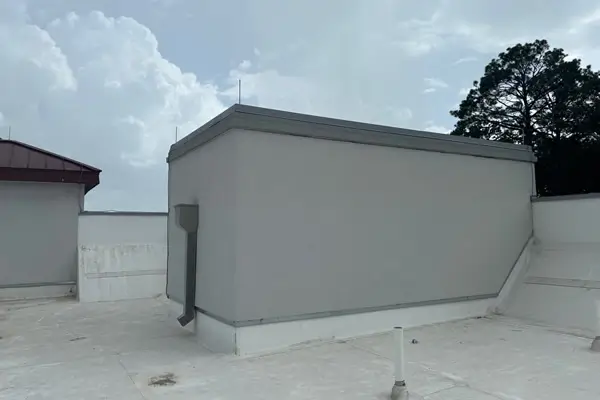
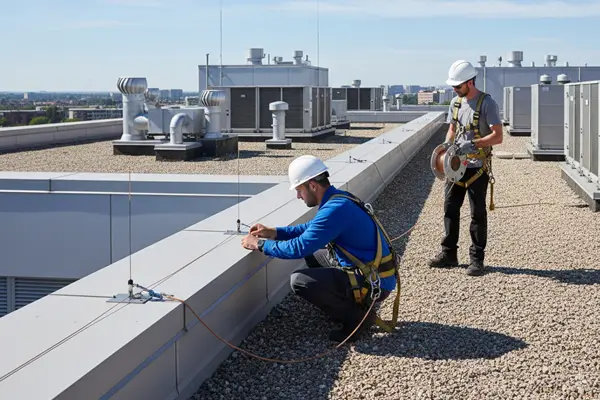
Because commercial roofs are larger, many more lightning rods may be required to maintain proper protection coverage.
Commercial Grounding Systems
Commercial buildings often require:
- Multiple grounding electrodes
- Ground rings
- Deep grounding systems
- Bonding to structural steel
- Integration with electrical grounding systems
Industrial facilities may require specialized grounding for sensitive equipment and operational safety.
Main Differences Between Residential & Commercial Lightning Protection
- System Size
Residential systems are smaller and simpler, while commercial systems cover much larger structures and equipment.
- Number of Lightning Rods
Commercial buildings generally require significantly more air terminals because of larger roof areas and multiple rooftop structures.
- Complexity
Commercial systems involve more engineering, grounding, bonding, and surge protection requirements.
- Equipment Protection
Commercial buildings often require protection for:
- Servers
- Data centers
- Manufacturing equipment
- Fire alarm systems
- Security systems
- Communication equipment
Residential systems focus more on protecting home electrical systems and appliances.
- Grounding Requirements
Commercial facilities usually require more extensive grounding systems due to larger electrical loads and structural complexity.
- Materials Used
Both residential and commercial systems commonly use copper or aluminum, but commercial systems often use heavier-duty materials and larger conductor networks.
For Gulf Coast coastal environments, copper systems are frequently recommended because they offer superior corrosion resistance in humid and salt-air conditions
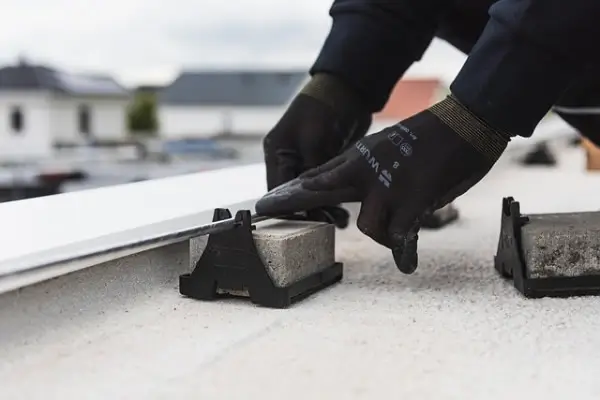
Why Professional Design Matters
Every structure is different. Proper lightning protection system design depends on:
- Building height
- Roof design
- Occupancy type
- Electrical systems
- Location
- Exposure to storms
- Coastal conditions
- NFPA 780 requirements
A professionally designed system ensures lightning energy follows a controlled path safely into the ground.
Lightning Protection for Gulf Coast Properties
Properties in Louisiana, Florida, Texas, Mississippi, and Arkansas experience some of the highest lightning activity in the United States. Coastal properties also face additional corrosion challenges due to salt air and moisture exposure.
At Strike Safe Lightning Protection, we design residential and commercial lightning protection systems built specifically for Gulf Coast weather conditions using high-quality UL-listed materials and professional installation methods.
Frequently Asked Questions About Lightning Protection Systems
What does a lightning protection system do?
A lightning protection system safely intercepts lightning strikes and directs the electrical energy into the ground. The system helps reduce the risk of fire, structural damage, and damage to electrical equipment caused by lightning.
Do lightning rods attract lightning?
No. Lightning rods do not attract lightning. They provide a safe path for lightning energy to travel if a strike occurs near or on the structure.
How many lightning rods does a home need?
The number of lightning rods depends on the size and design of the structure. Factors include roof size, roof shape, height, chimneys, dormers, and rooftop equipment. Larger homes or buildings require more air terminals to create proper protection coverage.
Where are lightning rods installed?
Lightning rods are usually installed on:
- Roof ridges
- Roof peaks
- Chimneys
- Corners and edges
- Cupolas
- Rooftop equipment
- High points of the structure
The system is designed to protect the entire structure.
What materials are used for lightning protection systems?
Most lightning protection systems use:
- Copper
- Aluminum
- Stainless steel components
Copper is commonly recommended for coastal Gulf Coast properties because it offers excellent corrosion resistance in humid and salt-air environments.
Why is lightning protection important in Louisiana and Gulf Coast states?
Louisiana, Florida, Texas, Mississippi, and Arkansas experience frequent thunderstorms and high lightning activity throughout the year. Gulf Coast properties are especially vulnerable due to severe weather, humidity, and coastal storm conditions.
Are lightning protection systems recommended for coastal properties?
Yes. Coastal properties are at higher risk due to frequent storms and corrosive salt air. Properly designed systems using corrosion-resistant materials help protect homes and buildings in coastal environments.
What is the difference between residential and commercial lightning protection systems?
Residential systems are generally smaller and designed for homes and private properties. Commercial systems are larger and more complex because they protect larger buildings, rooftop equipment, electrical systems, and industrial operations.
Can lightning protection help protect electronics?
Yes. Whole-home and commercial surge protection devices help reduce damage to electrical systems, appliances, computers, HVAC equipment, and sensitive electronics caused by lightning-related power surges.
Do metal roofs need lightning protection?
Yes. Metal roofs can still be struck by lightning. A properly installed lightning protection system helps safely direct lightning energy into the ground and reduce the risk of fire or electrical damage.
Are lightning protection systems required by code?
Requirements vary depending on the building type, occupancy, insurance requirements, and local regulations. Many systems are installed following NFPA 780 standards and UL guidelines.
How long does a lightning protection system last?
A professionally installed lightning protection system can last for decades with proper maintenance and inspections. Coastal environments may require periodic inspections due to salt-air corrosion exposure.
Can lightning protection systems be installed on existing homes or buildings?
Yes. Lightning protection systems can be installed on both new construction and existing structures, including homes, commercial buildings, barns, churches, and industrial facilities.
Are lightning protection systems visible?
Modern lightning protection systems are designed to be low profile whenever possible. Components can often be matched to the building to reduce visibility.
Do barns and horse farms need lightning protection?
Yes. Barns, horse farms, agricultural buildings, and metal structures are especially vulnerable because they are often located in open areas and may contain valuable livestock, equipment, and electrical systems.
What areas does Strike Safe Lightning Protection serve?
Strike Safe Lightning Protection provides nationwide lightning protection services with a focus on Louisiana, Florida, Texas, Mississippi, Arkansas, and Gulf Coast coastal areas.
Does Strike Safe Lightning Protection install surge protection?
Yes. We provide whole-home and commercial surge protection solutions to help protect electrical systems and sensitive electronics from lightning-related surges.
Why should I hire a professional lightning protection contractor?
Lightning protection systems should be professionally designed and installed to ensure proper grounding, bonding, material compatibility, and compliance with NFPA 780 guidelines. Proper installation is critical for system performance and safety.
Call 225-406-0295 for Lightning Protection System Installation