
Lightning is awe-inspiring in the distance, but when a bolt makes contact with your home, the results can be sudden, destructive, and sometimes hidden from view. Understanding what actually happens during a lightning strike — and why the aftermath can be dangerous — helps you protect your home and your family.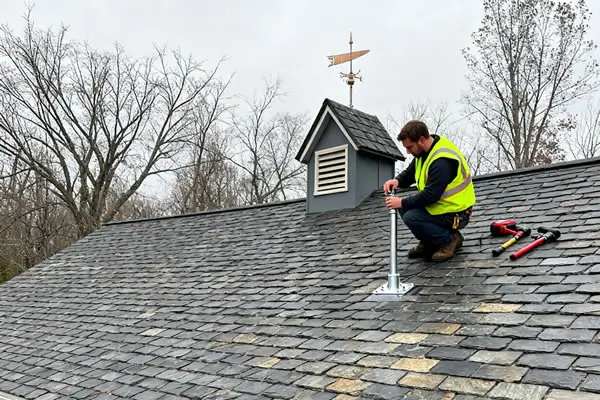
🔥 Fire Hazards and Immediate Structural Damage
A lightning bolt releases tens of thousands of degrees of heat, instantly igniting materials it comes in contact with. Common areas affected include:
-
Roofs and Attics
Lightning often targets the highest point of a home. The heat and explosive force can:
- Ignite shingles or attic insulation
- Damage rafters, sheathing, or structural supports
- Crack or dislodge chimney brickwork
- Blow apart roof shingles or tiles
-
Inside-Wall Fire Risk
Even without visible flames, lightning can create small fires inside walls, ceilings, or attics. These “hidden fires” may smolder before becoming noticeable, making them particularly dangerous.
⚡ Damage to Your Home’s Systems
Lightning doesn’t just strike — it spreads. The electrical energy can travel through:
- Metal framing
- Plumbing lines
- Metal vents and ducts
- Roofing materials
- Foundations or buried metal components
As a result, you may experience:
- Melted or scorched wiring insulation inside walls
- Damaged outlets, lights, or switches
- Flickering lights or lost power to portions of the home
- Electronics that stop working days later due to internal component damage
🧱 Cracks, Shock Damage & Other Structural Issues
Lightning creates a shock wave when it strikes — similar to a small explosion. This can lead to:
- Cracked brick or stone
- Broken windows
- Damaged foundation or exterior walls
- Dented gutters, flashing, or metal roofing components
Because these issues sometimes appear minor at first, homeowners may not realize their home has sustained structural stress.
💧 Plumbing and Gas-Line Concerns
Lightning often follows metal pathways, meaning plumbing systems are vulnerable. A strike can:
- Heat metal pipes to dangerous temperatures
- Rupture bends or joints
- Create leaks inside walls or under floors
- Damage water heaters or other connected systems (without needing to mention electrical repair)
Homes with gas lines also face potential hazards if lightning damages metal components connected to the system.
👀 Why Lightning Damage Isn’t Always Obvious
Some lightning-related problems don’t show up immediately. You might not see scorch marks or broken components, yet damage may still exist.
Hidden dangers include:
- Melted insulation inside walls
- Subtle cracking in masonry or foundations
- Attic smoldering that becomes a delayed fire
- Electronics weakening internally before eventual failure
- Plumbing leaks forming slowly
This is why an exterior inspection alone is not enough after a strike — the most serious issues often occur where you can’t see them.
🛠 What You Should Do After a Lightning Strike
While you requested removal of electrician references, here are safe, neutral steps any homeowner can take:
-
Stay alert and prioritize safety
If you see, smell, or hear anything unusual — smoke, a burning odor, popping sounds — leave the home and contact emergency services.
-
Check for visible fire or smoke
Carefully inspect attics, basements, and rooms near the strike area if it’s safe to do so.
-
Look for structural problems
Check for:
- Cracked walls
- Damaged chimneys
- Dislodged roofing
- Broken windows
-
Inspect plumbing and water flow
Run faucets briefly to check for pressure issues or discoloration, and check visible pipes for leaks.
-
Document everything
Take photos and videos of any damage for insurance purposes.
-
Contact your insurance provider
They may arrange appropriate inspections to assess damage.
How Lightning Protection Systems Keep Homes Safe
Lightning protection systems are designed to give lightning a safe path to the ground, preventing the bolt from traveling through your home’s structural materials, plumbing, or internal systems.
A complete system typically includes:
- Air terminals (lightning rods) that intercept strikes
- Down conductors that safely direct electricity
- Grounding electrodes that disperse the energy into the earth
This dramatically reduces the risk of:
- House fires
- Structural explosions
- Damage to plumbing or metal systems
Professional lightning protection remains the most effective method of safeguarding homes in storm-prone regions.
Frequently Asked Questions About Lightning Strikes
- How can I tell if my house was struck by lightning?
Signs include loud explosive noises, burned or damaged areas on the roof, damaged electronics, tripped breakers, scorching around outlets, chimney damage, or cracks in walls.
- Does lightning always cause visible damage?
No. Many of the most dangerous effects — like internal wall fires or hidden wiring damage — may not show immediate signs.
- Can lightning travel through plumbing?
Yes. Metal pipes are excellent conductors. Lightning can create leaks, bursts, or dangerous heat buildup in plumbing systems.
- What should I avoid during a lightning storm?
Stay away from plumbing, metal fixtures, windows, and large metal appliances. Avoid using wired electronics.
- How can I protect my home from future strikes?
A professionally installed lightning protection system is the most reliable method. It redirects lightning into the ground before it can damage the home.
- Is it safe to stay inside during a storm?
Yes — indoors is the safest place — but avoid contact with conductive materials such as water lines, metal windows, and wired devices.
- Can lightning strike the same home twice?
Absolutely. If your home has struck before, it can be struck again — often because of height, geography, or construction materials.
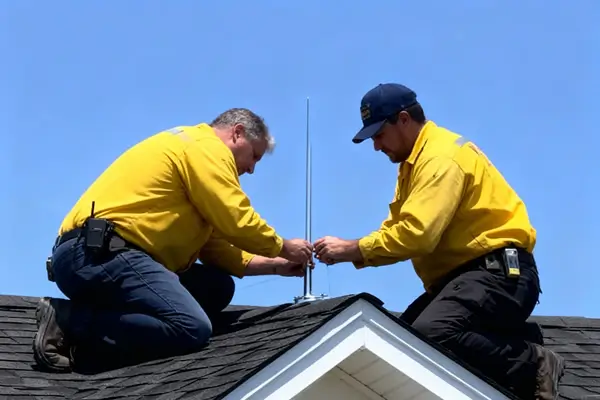
Lightning Protection Services
Louisiana Lightning Protection contractor serving Louisiana, Florida, Texas, Arkansas, Delta Region
Whether you’re looking for lightning protection in New Orleans, a lightning protection system in Baton Rouge, or a lightning rod installation in Lake Charles, Lafayette, Little Rock, Pine Bluff, or the Delta region, Strike Safe Lightning Protection delivers trusted solutions with expert craftsmanship.
For generations, our family-owned company has safeguarded homes, farms, and businesses across Louisiana, Arkansas, and the Mississippi Delta. From coastal communities like Houma and Slidell to agricultural hubs in Arkansas and Delta farmlands along the Mississippi River, we provide tailored systems designed to defend against dangerous storms.
Our work is built on safety, reliability, and integrity, with every installation meeting or exceeding UL and NFPA lightning protection standards. Whether protecting a Delta farm with silos, securing a business in Little Rock, or strengthening a residential property in Lafayette, we deliver lasting defense against lightning strikes.
Lightning Protection System Design
Strike Safe Lightning Protection designs lightning protection systems to meet UL and NFPA standards for maximum safety and compliance.
Lightning Protection System Installation
Strike Safe Lightning Protection sets the industry standard with advanced installation of lightning Protection Systems.
Lightning Protection System Inspections
Strike Safe Lightning Protection provides inspections and testing to keep your lightning protection system effective.
Lightning Protection System Maintenance
Strike Safe Lightning Protection offers expert maintenance to ensure your lightning protection system stays safe, reliable, and up to code.
About Strike Safe Lightning Protection
At Strike Safe Lightning Protection, we’ve been installing reliable lightning protection rods for generations, earning a trusted reputation for quality craftsmanship and affordable pricing. Our team provides nationwide service, with a strong focus on the Gulf and Southern regions—including Louisiana, Gulfport, Mobile, Gulf Shores, Hattiesburg, Memphis, Little Rock, Jonesboro, Beaumont, Montgomery, Rapid City, Austin, Texas and Pensacola. Whether it’s a residential home, farm, or commercial property, Strike Safe delivers proven lightning safety solutions designed to protect what matters most.