
Why Lightning Protection for Barns Is More Critical
-
Livestock Face a Higher Risk Than People Indoors
One of the most important differences is the presence of animals. Livestock such as horses, cattle, and goats are extremely vulnerable to lightning-related ground currents.
When lightning strikes a barn or nearby ground:
- Electrical energy can travel through the soil
- Animals standing with their legs apart are more susceptible to step voltage
- Horses with metal shoes or animals near metal stalls face increased electrocution risk
Unlike humans inside a home, animals cannot move to safer areas or understand danger signals. Barn lightning protection systems must be designed to completely bypass livestock, directing energy away from animals and safely into deep grounding systems.
-
Metal Barns Require Advanced Bonding
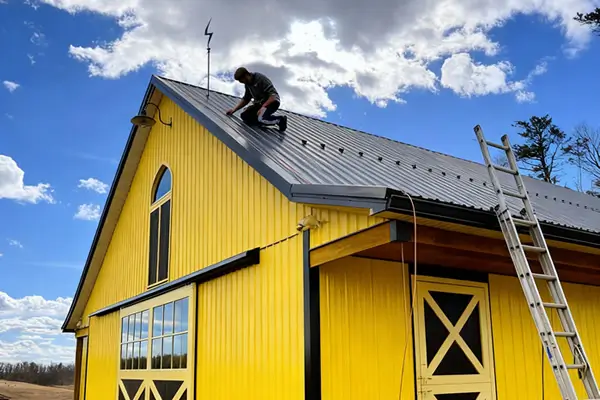
Many Louisiana barns are constructed with:
- Metal roofs
- Metal siding
- Steel framing
- Metal doors, stalls, and gates
Metal itself is not dangerous when properly bonded and grounded. However, an unprotected metal barn can become a highly efficient lightning conductor, allowing energy to travel unpredictably through the structure and into the ground near animals or equipment.
Barn lightning protection systems must include:
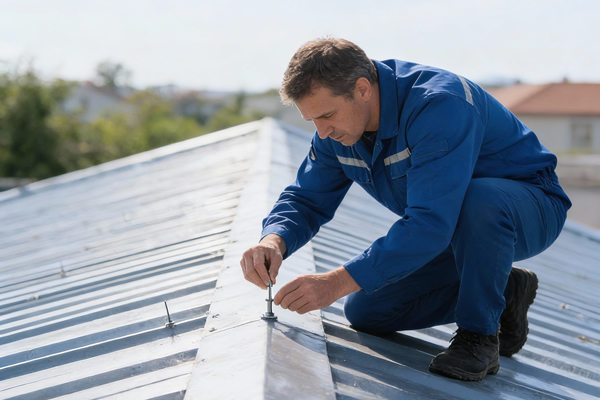
- Bonding of all metal components
- Integration of the roof, siding, and structural steel
- Grounding systems capable of handling higher electrical loads
Homes, by comparison, typically have fewer large exposed metal surfaces and lower overall grounding demands.
-
Barn Systems Must Be Fully Integrated
Residential systems may sometimes focus on roof-mounted lightning rods and basic grounding. Barn protection demands a complete, comprehensive system, including:
- Air terminals along ridges and rooflines
- Multiple down conductors spaced to prevent side flashes
- Deep-driven grounding rods or ground rings
- Bonding of doors, gutters, water lines, and metal equipment
- Protection for nearby fencing that could transmit ground currents
This level of integration is essential to prevent secondary strikes, flashovers, and internal electrical surges.
-
Fire Risk Is Greater in Agricultural Buildings
Barns often store:
- Hay
- Grain
- Feed
- Bedding materials
- Fuel-powered equipment
These materials are highly flammable. A lightning strike that causes even a small arc or surge can result in devastating fires. In Louisiana’s humid climate, moldy or damp hay can generate additional heat, compounding fire risk.
Residential homes are certainly vulnerable to lightning fires, but barns combine ignition sources with combustible materials in much higher concentrations.
-
Surge Protection Is Essential in Modern Barns
Modern barns frequently include:
- Automated feeding systems
- Milking equipment
- Ventilation and climate control systems
- Security cameras
- Electrical fencing systems
Lightning protection for barns must include robust surge protection at electrical panels and sensitive equipment. A direct or nearby strike can damage thousands of dollars’ worth of electronics instantly.
Homes also benefit from surge protection, but barns often rely on continuous electrical operation for animal health and safety, making surge control even more critical.
How Residential Lightning Protection Differs
Residential lightning protection typically focuses on:
- Roof-mounted air terminals
- Grounding rods near the foundation
- Surge protectors for appliances and electronics
While roof complexity, elevation, and proximity to water can increase a home’s lightning risk—especially in Louisiana—homes generally do not face:
- Large-scale ground current exposure
- Metal-dense environments
- Livestock electrocution risks
As a result, residential systems are usually less complex than agricultural installations.
Why Professional Design Matters in Louisiana
Every barn is different. Factors such as size, layout, roof height, metal content, soil conditions, and animal placement all affect lightning protection design. A one-size-fits-all approach is not effective, especially in Louisiana’s lightning-prone regions.
At LouisianaLightningProtection.com, professional systems are designed to:
- Meet or exceed NFPA 780 standards
- Address agricultural-specific risks
- Protect animals, equipment, and structures
- Provide long-term reliability in Louisiana’s climate
Final Thoughts
While both homes and barns benefit from lightning protection, barn lightning protection systems are more complex, more critical, and more specialized. The presence of livestock, metal structures, flammable materials, and sensitive equipment demands a fully integrated, professionally designed system.
For Louisiana farm and property owners, investing in proper barn lightning protection is not just about protecting buildings—it’s about safeguarding animals, livelihoods, and peace of mind during every storm.
✅ Frequently Asked Questions (FAQs)
- Why is lightning protection more important for barns than homes?
Lightning protection is more critical for barns because they often house livestock, expensive equipment, and flammable materials such as hay and feed. Animals are highly vulnerable to ground currents caused by lightning strikes, making barns a higher-risk environment than typical residential homes.
- How does lightning affect livestock inside a barn?
When lightning strikes a barn or nearby ground, electrical energy can travel through metal structures and soil. Livestock standing on the ground—especially animals with metal shoes or hooves—can be electrocuted by step voltage. Proper lightning protection systems are designed to direct the energy safely away from animals.
- Are metal barns more dangerous during lightning storms?
Metal barns are not dangerous if they are properly bonded and grounded. However, without a complete lightning protection system, metal roofs, siding, and framing can become pathways for lightning, increasing the risk of electrocution, fire, and equipment damage.
- What components are included in a barn lightning protection system?
A complete barn lightning protection system typically includes air terminals (lightning rods), multiple down conductors, deep grounding rods, bonding of all metal components, and surge protection for electrical systems. These components work together to safely channel lightning energy into the ground.
- Do barns need surge protection in addition to lightning rods?
Yes. Many modern barns use automated feeding systems, ventilation, lighting, and monitoring equipment. Surge protection is essential to prevent lightning-related power surges from damaging electrical panels and sensitive equipment.
- Can residential lightning protection systems be used on barns?
Residential systems are not sufficient for barns. Barns require customized designs that account for livestock safety, metal structures, larger roof areas, and higher grounding demands. Agricultural lightning protection systems are more comprehensive than those used for homes.
- Does Louisiana’s climate increase the need for barn lightning protection?
Yes. Louisiana experiences frequent thunderstorms and high lightning activity. Combined with moist soil conditions and metal agricultural structures, this makes professionally designed lightning protection especially important for barns and farm buildings.
- How often should barn lightning protection systems be inspected?
Barn lightning protection systems should be inspected periodically, especially after major storms or structural changes. Regular inspections ensure grounding remains effective and all bonded components are intact and functioning properly.
- Will lightning protection prevent barn fires?
While no system can prevent lightning from striking, a properly installed lightning protection system significantly reduces the risk of fire by safely directing electrical energy away from combustible materials like hay, feed, and bedding.
- Who should install lightning protection for barns in Louisiana?
Barn lightning protection should always be installed by experienced professionals familiar with agricultural structures and Louisiana-specific risks. Proper design and installation are critical for protecting livestock, equipment, and property.
Protecting your home, business, barn, horse farm, or equestrian facility from lightning strikes starts with understanding proper lightning protection standards and safety practices. The National Fire Protection Association (NFPA 780) provides the U.S. standard for designing and installing lightning protection systems. For detailed installation guidelines, Underwriters Laboratories (UL 96A) offers requirements for components and complete systems. The Lightning Protection Institute (LPI) supplies design, installation, and inspection standards to ensure effective protection. For general safety guidance, the National Weather Service (NWS) / NOAA offers lightning awareness and risk prevention tips, especially useful for farms and outdoor facilities. Staying informed through these resources helps safeguard your property, livestock, and equipment from the dangers of lightning strikes.
About Strike Safe Lightning Protection
At Strike Safe Lightning Protection, we’ve been installing reliable lightning protection rods for generations, earning a trusted reputation for quality craftsmanship and affordable pricing. Our team provides nationwide service, with a strong focus on the Gulf and Southern regions—including Louisiana, Gulfport, Mobile, Gulf Shores, Hattiesburg, Memphis, Little Rock, Jonesboro, Beaumont, Montgomery, Rapid City, Austin, Texas and Pensacola. Whether it’s a residential home, farm, or commercial property, Strike Safe delivers proven lightning safety solutions designed to protect what matters most.