
Signs Your Hindu Temple in Florida or Louisiana May Be at Risk for Lightning Damage
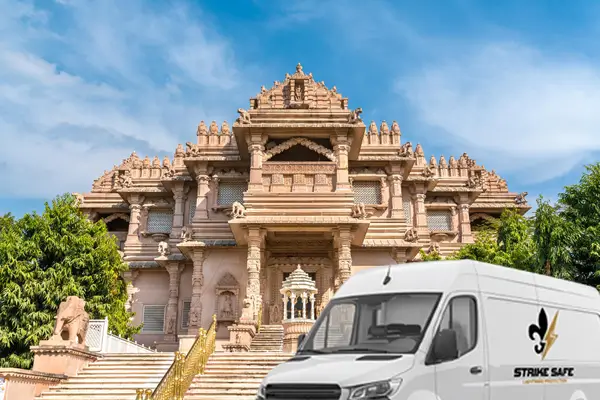
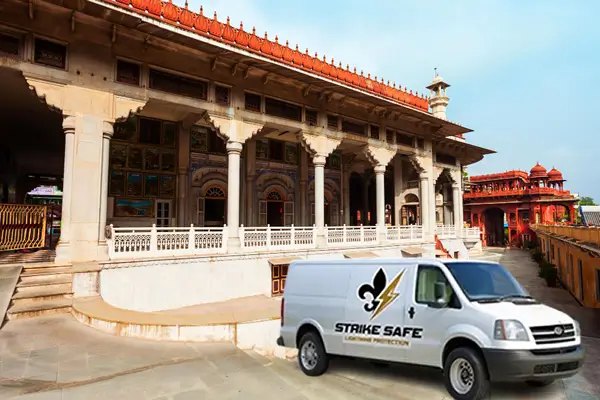
Hindu temples are sacred architectural landmarks, often featuring tall shikharas (towers), domes, flagpoles (Dwaja Stambha), and ornate rooflines. While beautiful and spiritually significant, these elevated features can increase the risk of lightning strikes — especially in high-storm states like Florida and Louisiana.
If your Hindu temple does not have a professionally installed lightning protection system, it may already be vulnerable to serious lightning damage.
Below are the warning signs temple boards and trustees should not ignore.
1. Your Temple Has a Shikhara, Dome, or Metal Flagpole
Lightning typically strikes the highest object in an area.
Many Hindu temples include:
· Shikhara towers
· Gopurams
· Copper or gold-plated domes
· Metal flagpoles (Dwaja Stambha)
· Ornamental rooftop features
These elements can act as strike points if they are not properly bonded and grounded through a complete lightning protection system.
Without protection, lightning can cause roof fires, structural cracking, or internal electrical damage.
2. Your Temple Is Located in a High-Lightning State
According to the National Weather Service, Florida ranks among the most lightning-prone states in the United States. Southern Louisiana also experiences frequent thunderstorms and intense storm activity, particularly during hurricane season.
Temples located in:
- Orlando
- Tampa
- Miami
- Jacksonville
- New Orleans
- Baton Rouge
are in regions with consistent lightning exposure.
In these climates, lightning protection is strongly recommended for religious structures.
3. Your Building Is Older or Has Never Been Evaluated to Modern Standards
Many temples were constructed without a formal lightning risk assessment.
Lightning protection systems should meet standards established by the National Fire Protection Association (NFPA 780) and Underwriters Laboratories (UL 96A).
If your temple has:
- No documented inspection
- No visible air terminals (lightning rods)
- No grounding system verification
- No surge protection
It may not meet modern safety guidelines.
4. You Have Experienced Storm-Related Electrical Issues
Warning signs include:
- Power surges during storms
- Damaged audio systems or temple PA systems
- CTV or security system failure
- HVAC or lighting damage
- Repeated breaker trips after thunderstorms
Lightning does not need to directly strike the temple to cause damage. Nearby strikes can send powerful surges through electrical and utility lines.
Temples with live streaming, LED lighting, digital donation systems, or electronic altar lighting are particularly vulnerable.
5. Your Temple Hosts Large Gatherings and Festivals
Hindu temples often host:
- Navratri celebrations
- Diwali festivals
- Weddings
- Cultural events
- Community education programs
During large gatherings, protecting both the structure and the congregation becomes critical.
Lightning protection is about safeguarding people as well as sacred property.
6. Your Insurance Provider Has Asked About Lightning Protection
Insurance carriers in Florida and Louisiana increasingly assess lightning risk for religious buildings.
If your insurer has asked about compliance with NFPA 780 or UL 96A standards, this is a clear indicator that lightning protection impacts your liability and coverage profile.
What Happens When Lightning Strikes a Temple?

In high-lightning states like Florida and Louisiana, a strike can cause:
- Roof or attic fires
- Damage to ornate domes or towers
- Cracking of stone or masonry
- Destruction of electrical panels
- Damage to audio systems and surveillance
- Costly repairs and service disruptions
Many of these losses are preventable with a properly engineered lightning protection system.
How Lightning Protection Protects Hindu Temples
A complete system includes:
- Air terminals (lightning rods)
- Down conductors
- ·Bonding of metal components and domes
- Grounding electrodes
- Surge protection devices
When installed according to NFPA 780 and UL 96A standards, the system safely channels lightning energy into the ground.
Lightning rods do not attract lightning. They provide a safe path when lightning occurs.
Protect Your Florida or Louisiana Hindu Temple Before Storm Season
With frequent thunderstorms in Florida and intense storm cycles in Louisiana, proactive protection is essential.
Strike Safe Lightning specializes in lightning protection for religious buildings, including Hindu temples throughout Florida and Louisiana.
If your temple shows any of the warning signs above, schedule a professional lightning risk assessment.
Protect your sacred structure. Protect your community.
About Strike Safe Lightning Protection
At Strike Safe Lightning Protection, we’ve been installing reliable lightning protection rods for generations, earning a trusted reputation for quality craftsmanship and affordable pricing. Our team provides nationwide service, with a strong focus on the Gulf and Southern regions—including Louisiana, Gulfport, Mobile, Gulf Shores, Hattiesburg, Memphis, Little Rock, Jonesboro, Beaumont, Montgomery, Rapid City, Austin, Texas and Pensacola. Whether it’s a residential home, farm, or commercial property, Strike Safe delivers proven lightning safety solutions designed to protect what matters most.