
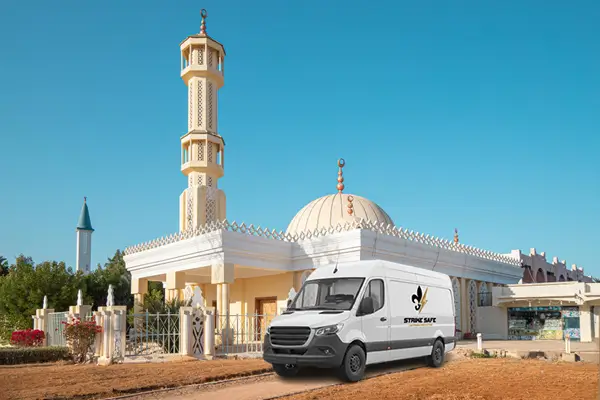
Mosque Lightning Protection: Safeguarding Your Place of Worship in Florida, Texas, Arkansas & Louisiana
Mosques are central to the community, serving as spiritual, cultural, and educational hubs. Many mosques feature tall minarets, domes, and metal elements, which naturally attract lightning. In high-storm states like Florida, Texas, Arkansas, and Louisiana, protecting your mosque from lightning damage is essential to ensure the safety of your congregation and preserve the structure.
Why Mosques Are at Risk
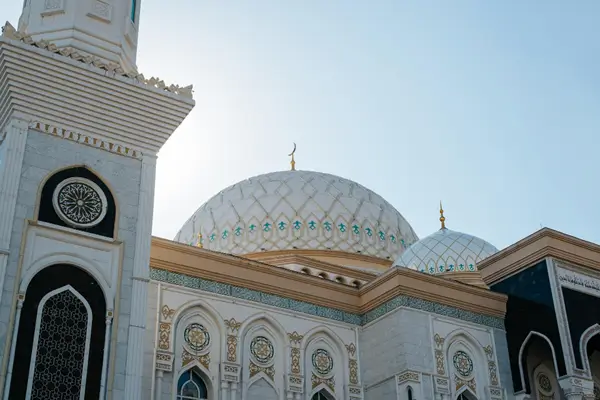
Mosques often include:
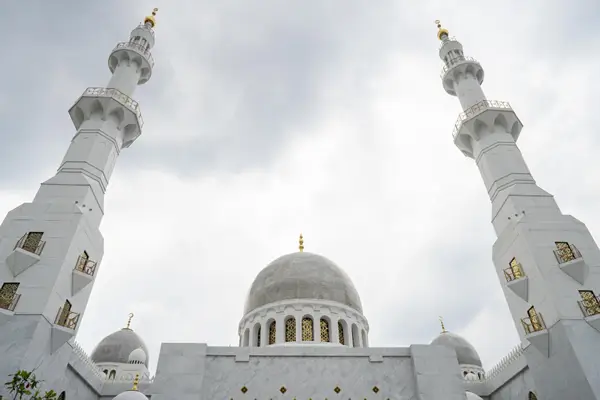
- Minarets that rise above surrounding buildings
- Domes, often metal or gilded
- Metal flagpoles or decorative finials
- Open courtyards near tall trees
These elevated features make mosques prime targets for lightning strikes. Without a professional lightning protection system, a strike could result in:
- Fires in the structure
- Structural damage to minarets or domes
- Electrical damage to sound systems, lighting, and security equipment
- Disruption of community services and programs
Why Lightning Protection Is Critical in Florida, Texas, Arkansas, and Louisiana
Florida
Florida experiences the highest number of lightning strikes in the U.S., particularly in the summer months. Mosques with tall minarets in cities like Orlando, Tampa, and Miami are especially vulnerable.
Texas
Texas thunderstorms can be severe, especially in Houston, Dallas, and San Antonio. Lightning can travel through utility lines and cause internal electrical surges even without a direct strike.
Arkansas
Arkansas sees frequent severe storms in spring and summer. Mosques in Little Rock, Fayetteville, and Fort Smith need protection for both the building and congregants.
Louisiana
Louisiana’s coastal storms and hurricane season create elevated lightning risk, particularly in New Orleans, Baton Rouge, and Lafayette. Lightning protection safeguards sacred structures and helps prevent costly repairs.
How Professional Lightning Protection Protects Mosques
A proper lightning protection system includes:
- Air Terminals (Lightning Rods): Installed at high points like minarets and domes.
- Down Conductors: Safely direct lightning energy from the roof to the ground.
- Grounding Electrodes: Dissipate electrical energy safely into the earth.
- Surge Protection Devices: Protect sensitive electronics and audio-visual equipment.
- Bonding of Metal Elements: Ensures all metal components are connected to prevent side flashes.
Installed according to NFPA 780 and UL 96A standards, lightning protection systems do not attract lightning but provide a safe path to prevent fire and structural damage.
Benefits of Lightning Protection for Mosques
- Protects congregants and visitors during storms
- Prevents costly structural and electrical damage
- Reduces insurance liability and improves compliance
- Safeguards community programs and educational activities
Strike Safe Lightning: Serving Florida, Texas, Arkansas, and Louisiana
Strike Safe Lightning specializes in lightning protection for religious buildings, including mosques. Our team designs and installs systems that meet NFPA 780 and UL 96A standards, ensuring your mosque is safe during lightning storms.
If your mosque has tall minarets, domes, or metal features, don’t wait until after a strike. Schedule a professional lightning risk assessment today to protect your place of worship, congregation, and community.
Frequently Asked Questions – Mosque Lightning Protection
Q1: Why do mosques need lightning protection?
A: Mosques often have tall minarets, domes, and metal elements that attract lightning. A professionally installed lightning protection system safely directs strikes into the ground, preventing fire, structural damage, and electrical loss.
Q2: Does a lightning rod attract lightning to my mosque?
A: No. Lightning rods provide a controlled path for lightning to follow, safely directing the electrical energy into the ground and protecting the building.
Q3: Which areas are at highest risk for lightning strikes?
A: Florida, Louisiana, Texas, and Arkansas experience frequent thunderstorms. Mosques in cities like Orlando, Tampa, New Orleans, Baton Rouge, Houston, Dallas, and Little Rock are particularly at risk.
Q4: What standards should a mosque lightning protection system meet?
A: Systems should comply with NFPA 780 standards and UL 96A certification to ensure proper installation, grounding, and surge protection for buildings and electronics.
Q5: Can lightning protection prevent damage to electronics and sound systems in my mosque?
A: Yes. Professional systems include surge protection devices that safeguard AV equipment, lighting, HVAC systems, and security electronics from indirect lightning strikes.
Q6: How often should a mosque’s lightning protection system be inspected?
A: Inspections should occur after major storms and at least every 2–3 years to ensure the system is intact, grounding is functional, and no corrosion or damage has occurred.
Q7: How can Strike Safe Lightning help my mosque?
A: Strike Safe Lightning designs and installs NFPA 780-compliant lightning protection systems for mosques and religious buildings throughout Florida, Texas, Arkansas, and Louisiana, protecting both the structure and the congregation.
About Strike Safe Lightning Protection
At Strike Safe Lightning Protection, we’ve been installing reliable lightning protection rods for generations, earning a trusted reputation for quality craftsmanship and affordable pricing. Our team provides nationwide service, with a strong focus on the Gulf and Southern regions—including Louisiana, Gulfport, Mobile, Gulf Shores, Hattiesburg, Memphis, Little Rock, Jonesboro, Beaumont, Montgomery, Rapid City, Austin, Texas and Pensacola. Whether it’s a residential home, farm, or commercial property, Strike Safe delivers proven lightning safety solutions designed to protect what matters most.