
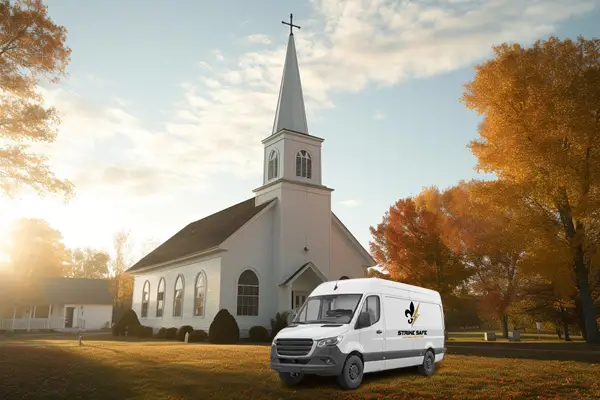
Signs Your Florida or Louisiana Church May Already Be at Risk for Lightning Damage
Churches in Florida and Louisiana face some of the highest lightning activity in the United States. With frequent thunderstorms, high humidity, and tall architectural features like steeples and crosses, religious buildings in these states are especially vulnerable.
If your church does not have a professionally installed lightning protection system, you may already be at serious risk for lightning damage.
Below are the most common warning signs.

-
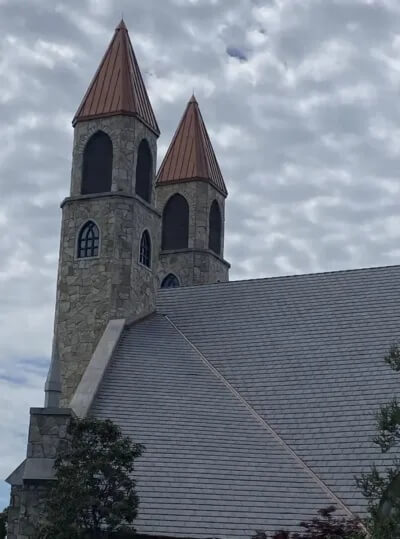
Your Church Has a Tall Steeple, Spire, or Cross
Lightning typically strikes the highest object in an area. Many Florida and Louisiana churches feature:
- Tall steeples
- Bell towers
- Metal crosses
- Elevated roof peaks
Without properly installed air terminals (lightning rods) and grounding conductors, these features can become direct strike points — increasing the risk of fire and structural damage.
-
Your Church Is Located in a High-Lightning Region
According to the National Weather Service, Florida consistently ranks as one of the most lightning-prone states in America. Coastal Louisiana also experiences intense thunderstorm activity, particularly during hurricane season and summer storm cycles.
If your church is located in:
- Miami
- Orlando
- Tampa
- Jacksonville
- New Orleans
- Baton Rouge
- Lafayette
You are in a high-frequency lightning zone where protection is strongly recommended.
-
Your Building Is Older and Has Never Been Evaluated Under Modern Standards
Many churches in Louisiana and Florida were built decades ago and may not meet current lightning protection standards set by the National Fire Protection Association (NFPA 780).
Older or partial systems may:
- Lack proper grounding depth
- Have corroded conductors
- Be missing surge protection
- Fail to meet updated code requirements
A professional inspection ensures your church meets current safety standards.
-
You Have Experienced Storm-Related Electrical Problems
Warning signs include:
- Flickering lights during storms
- Damaged sound systems or AV equipment
- HVAC failures after lightning
- Security system malfunctions
- Repeated electrical repairs
Lightning does not need to directly strike your building to cause damage. Nearby strikes can send powerful surges through utility lines and grounding systems.
Churches with modern technology — live streaming systems, digital soundboards, LED lighting, security cameras — are especially vulnerable without surge protection.
-
There Are No Visible Lightning Rods or Grounding Conductors
If your church roof does not have visible air terminals (lightning rods) and properly installed down conductors connected to grounding electrodes, you likely do not have a complete lightning protection system.
A properly designed system provides a controlled, low-resistance path that safely directs lightning energy into the earth — preventing fires and internal damage.
- Your Insurance Provider Has Asked About Lightning Protection
Insurance companies in Florida and Louisiana increasingly assess lightning risk, especially in hurricane-prone areas.
If your carrier has asked about compliance with:
- NFPA 780
- Underwriters Laboratories UL 96A
It is a sign that lightning protection affects your liability and insurability.
Proper installation may help reduce exposure to major loss.
-
Your Church Hosts Large Congregations or Community Programs
Many Florida and Louisiana churches serve as:
- Schools and daycare centers
- Hurricane shelters
- Community outreach facilities
- Wedding and event venues
Protecting both people and property is critical in storm-heavy regions.
Lightning protection is not just about the building — it’s about the safety of your congregation.
What Happens When Lightning Strikes a Church?
In high-lightning states like Florida and Louisiana, a direct strike can cause:
- Attic or roof fires
- Structural damage to steeples
- Masonry cracking
- Destroyed electronics and sound systems
- HVAC system failure
- Service interruptions and costly repairs
Many lightning-related church fires could have been prevented with a properly designed lightning protection system.
How Professional Lightning Protection Safeguards Florida & Louisiana Churches
A complete system includes:
- Air terminals (lightning rods)
- Down conductors
- Bonding of metal components
- Grounding electrodes
- Surge protection devices
Installed to NFPA 780 and UL 96A standards, the system safely channels lightning energy into the ground.
Lightning rods do not attract lightning — they provide a safe path when lightning occurs.
Protect Your Florida or Louisiana Church Before Storm Season
With year-round thunderstorms in Florida and hurricane-season lightning across Louisiana, proactive protection is essential.
Strike Safe Lightning specializes in lightning rod installation and lightning protection systems for churches and religious buildings throughout Florida and Louisiana.
If your church shows any of the warning signs above, schedule a professional lightning risk assessment today.
Don’t wait until after a strike.
Frequently Asked Questions About Church Lightning Protection
Do churches really need lightning rods in Florida and Louisiana?
Yes. Both states experience frequent lightning strikes, making protection highly recommended for structures with steeples and elevated features.
Can lightning damage electronics without a direct strike?
Yes. Nearby lightning can cause powerful surges through power lines.
Are lightning rods required by code?
While not always mandatory, compliance with NFPA 780 standards significantly reduces risk and liability.
How often should a lightning protection system be inspected?
Systems should be inspected after major storms and periodically to ensure grounding integrity.
About Strike Safe Lightning Protection
At Strike Safe Lightning Protection, we’ve been installing reliable lightning protection rods for generations, earning a trusted reputation for quality craftsmanship and affordable pricing. Our team provides nationwide service, with a strong focus on the Gulf and Southern regions—including Louisiana, Gulfport, Mobile, Gulf Shores, Hattiesburg, Memphis, Little Rock, Jonesboro, Beaumont, Montgomery, Rapid City, Austin, Texas and Pensacola. Whether it’s a residential home, farm, or commercial property, Strike Safe delivers proven lightning safety solutions designed to protect what matters most.