
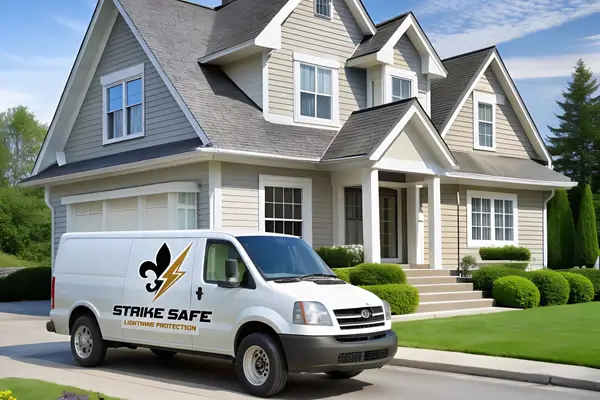
Do Lightning Rods Protect Your House in Florida? What Homeowners Should Know
Florida experiences more lightning strikes than any other state, making lightning protection a serious concern for homeowners. Powerful thunderstorms, coastal weather patterns, and long storm seasons increase the risk of lightning-related fires, electrical damage, and structural loss. Many Florida homeowners ask the same important question: Do lightning rods really protect my house?
The answer is yes—when installed as part of a complete, professionally designed lightning protection system. Understanding how lightning rods work and why professional installation matters can help Florida homeowners make informed decisions about protecting their property.
At Strike Safe Lightning Protection, we help homeowners across Florida safeguard their homes from the damaging effects of lightning.
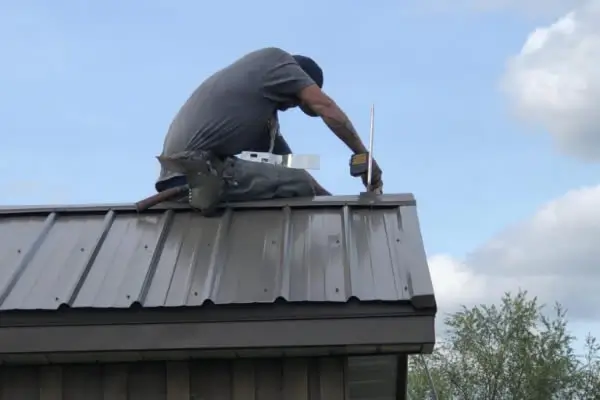
How Lightning Rods Protect Homes in Florida
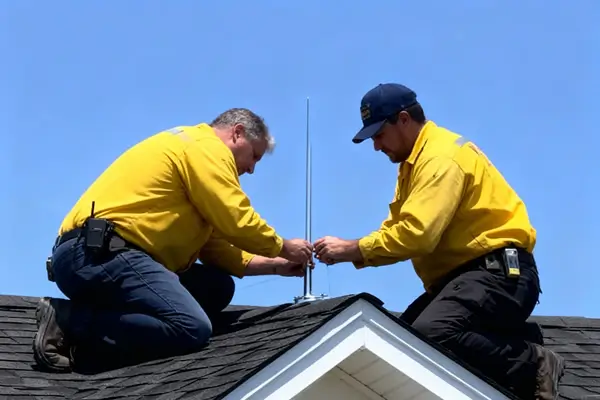
A lightning rod, also known as an air terminal, is designed to safely intercept a lightning strike and direct its electrical energy away from your home. Lightning rods do not attract lightning. Instead, they provide a controlled path that allows lightning energy to travel safely into the ground rather than through roofing materials, framing, or electrical systems.
In Florida’s open landscapes and coastal areas, homes are often more exposed to lightning activity. A properly installed lightning rod system helps reduce the risk of fires and structural damage during severe storms.
Lightning Rods Are Only One Part of a Complete Lightning Protection System
Lightning rods are most effective when they are part of a complete lightning protection system, which includes:
-
Air terminals (lightning rods) placed at strategic roof locations
-
Conductors that safely carry lightning energy downward
-
Grounding systems that disperse energy into the earth
-
Bonding to reduce dangerous side flashes
Together, these components work to control lightning energy and protect your home from fire, electrical surge, and physical damage.
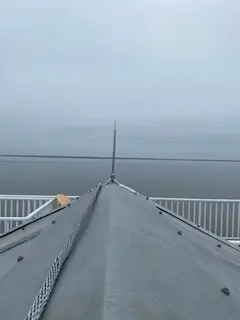
What Lightning Rods Can and Cannot Do
What Lightning Rods CAN Do:
-
Reduce the risk of lightning-related fires
-
Protect roofing materials and structural components
-
Help prevent lightning energy from traveling through walls
-
Support surge protection for electrical systems
What Lightning Rods CANNOT Do:
-
Stop lightning from occurring
-
Eliminate electrical surge risks without proper bonding
-
Replace surge protection devices
Florida homes benefit most when lightning rods are combined with proper grounding and surge protection.
Why Lightning Protection Is Especially Important in Florida
Florida’s climate creates ideal conditions for lightning activity. Homes located near the coast, lakes, canals, or open land face increased exposure. Salt air, moisture, and frequent storms can also impact building materials and electrical systems.
Without proper lightning protection, a single strike can result in:
-
Structural fires
-
Damage to HVAC systems and appliances
-
Electrical system failures
-
Costly repairs and downtime
Installing a professionally designed lightning protection system helps reduce these risks and adds an important layer of safety.
Why Professional Installation Matters
Lightning protection is not a DIY project. Improper installation can actually increase the risk of damage by providing an unsafe or incomplete path to ground.
Professional lightning protection contractors understand:
-
Correct lightning rod placement
-
Conductor routing and sizing
-
Florida soil conditions and grounding requirements
-
Recognized lightning protection system (LPS) standards
At Strike Safe Lightning Protection, our systems are carefully designed and installed to safely manage lightning energy and perform reliably during Florida’s most severe storms.
Are Lightning Rods Worth It for Florida Homes?
For Florida homeowners, lightning rods are a smart investment—especially for homes in high-risk areas such as coastal communities and waterfront properties. When properly installed, lightning protection systems help reduce the risk of catastrophic damage and provide peace of mind during storm season.
Modern homes rely heavily on electronics, making lightning protection even more important. A complete system helps protect both the structure and the systems inside it.
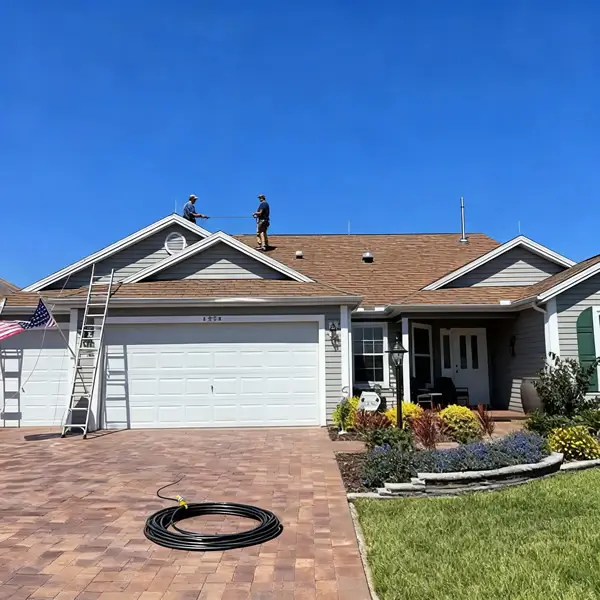
Do Lightning Rods Protect Your Florida Home?
Yes—lightning rods do protect your home when they are part of a complete, professionally installed lightning protection system. They work by safely directing lightning energy away from your home, reducing the risk of fire, electrical damage, and structural loss.
However, effective protection depends on:
-
Proper system design
-
Professional installation
-
Compliance with recognized lightning protection standards
-
Ongoing inspection and maintenance

Protect Your Florida Home with Strike Safe Lightning Protection
At Strike Safe Lightning Protection, we design and install lightning protection systems that follow recognized lightning protection principles and best practices. Our goal is to help Florida homeowners protect their homes, families, and investments from lightning-related damage.
If you’re unsure whether your home is properly protected, a professional evaluation can help identify risks before storms strike.
Visit www.louisianalightningprotection.com to learn more about lightning rods and complete lightning protection systems designed to keep your Florida home safe year-round.

Frequently Asked Questions (FAQs)
(Written to support featured snippets & FAQ schema)
Do lightning rods really protect homes in Florida?
Yes. When installed as part of a complete lightning protection system, lightning rods help safely direct lightning energy into the ground, reducing the risk of fire, structural damage, and electrical failure—especially important in Florida’s high-lightning environment.
Are lightning rods required for homes in Florida?
Lightning rods are not required by law for residential homes in Florida, but they are strongly recommended in lightning-prone and coastal areas where storms are frequent and intense.
Why are coastal Florida homes at higher risk of lightning damage?
Homes near the coast are often more exposed due to open terrain, higher elevation, salt-air corrosion, frequent thunderstorms, and proximity to water, which increases lightning activity.
Can lightning rods protect electronics and appliances?
Lightning rods help reduce direct strike damage, but full protection requires proper bonding and surge protection devices. A professionally designed system addresses both structural and electrical risks.
How long does a lightning protection system last?
With proper installation and periodic inspection, lightning protection systems can last decades. Coastal Florida homes may require more frequent inspections due to corrosion from salt air.
Is professional installation really necessary?
Yes. Improper or DIY installation can create unsafe paths for lightning, increasing damage risk. Certified professionals understand grounding, bonding, and Florida soil conditions.
About Strike Safe Lightning Protection
At Strike Safe Lightning Protection, we’ve been installing reliable lightning protection rods for generations, earning a trusted reputation for quality craftsmanship and affordable pricing. Our team provides nationwide service, with a strong focus on the Gulf and Southern regions—including Louisiana, Gulfport, Mobile, Gulf Shores, Hattiesburg, Memphis, Little Rock, Jonesboro, Beaumont, Montgomery, Rapid City, Austin, Texas and Pensacola. Whether it’s a residential home, farm, or commercial property, Strike Safe delivers proven lightning safety solutions designed to protect what matters most.