

Why Coastal Homes in Pensacola, Florida Need Lightning Rods
Pensacola, Florida is known for its beautiful beaches, waterfront homes, and coastal charm—but it is also an area highly exposed to severe weather and lightning activity. Located along the Gulf Coast, Pensacola experiences frequent thunderstorms, tropical systems, and intense lightning strikes, especially during spring and summer months.
For homeowners in Pensacola, installing lightning rods as part of a complete lightning protection system is one of the most effective ways to protect coastal properties from lightning-related damage.
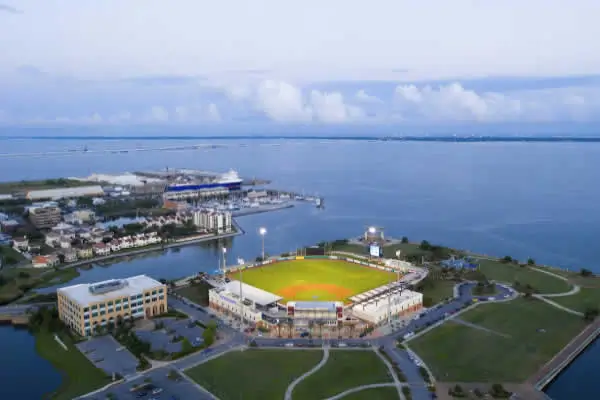
Pensacola’s Coastal Location Increases Lightning Risk
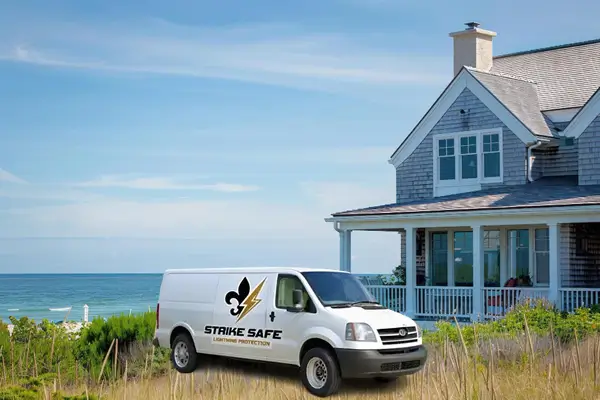
Coastal environments like Pensacola naturally increase the likelihood of lightning strikes. Open water, flat terrain, and moisture-rich air create ideal conditions for thunderstorms. Homes near beaches, bays, and waterways often become prominent strike points during storms.
In addition, coastal homes are frequently taller, elevated, or built with exposed architectural features—all of which can increase lightning exposure if proper protection is not in place.
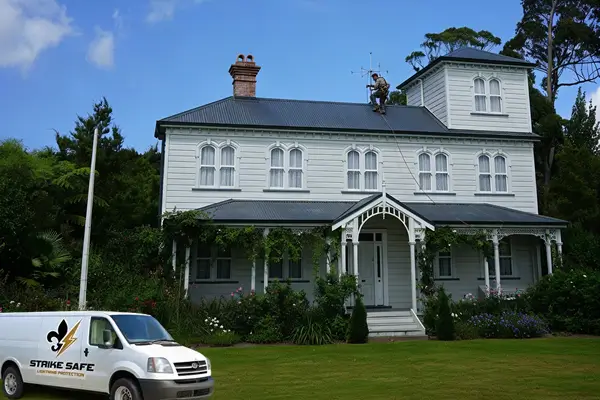
How Lightning Rods Protect Pensacola Homes
Lightning rods, also called air terminals, are designed to safely intercept lightning and redirect its powerful electrical energy into the ground. They do not attract lightning but provide a controlled, low-resistance path that prevents lightning from traveling through a home’s structure.
When installed correctly, lightning rods help:
- Reduce the risk of roof and attic fires
- Prevent structural damage from direct lightning strikes
- Minimize lightning energy traveling through walls and framing
- Support protection for electrical systems
For Pensacola homeowners, lightning rods are especially valuable when combined with proper grounding and bonding systems.
Salt Air and Coastal Weather Make Protection Even More Important
Pensacola’s salt-air environment can accelerate corrosion on roofing materials, fasteners, and electrical components. Without a professionally designed lightning protection system, lightning energy may follow unpredictable paths through weakened materials, increasing the risk of damage.
A properly installed lightning protection system uses corrosion-resistant materials designed to perform reliably in coastal conditions, making it ideal for Gulf Coast homes.
Lightning Rods Are Only One Part of a Complete System
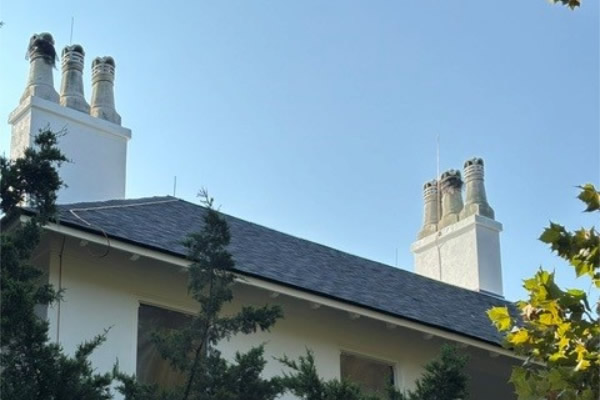
While lightning rods are essential, they work best as part of a complete lightning protection system, which includes:
- Strategically placed lightning rods
- Conductors to carry lightning energy downward
- Grounding electrodes suited for coastal soil conditions
- Bonding to prevent side flashes and electrical surges
Pensacola’s sandy soil requires proper grounding design to safely dissipate lightning energy—something that should always be handled by experienced professionals.
Why DIY Lightning Protection Is Not Recommended
Installing lightning rods is not a DIY project. Improper placement, inadequate grounding, or incorrect bonding can actually increase the risk of damage. In coastal areas like Pensacola, incorrect installations may also deteriorate quickly due to salt exposure.
Professional lightning protection contractors understand:
- Coastal building structures
- Soil resistivity in Gulf Coast areas
- Proper system layout and spacing
- Recognized lightning protection standards
Are Lightning Rods Worth It for Pensacola Homes?
For coastal homeowners in Pensacola, lightning rods are a smart investment. The cost of a professionally installed lightning protection system is small compared to the potential damage caused by a single lightning strike, which can result in fires, electrical failures, and extensive repairs.
Homes with modern electronics, smart systems, and HVAC equipment benefit even more from lightning protection.
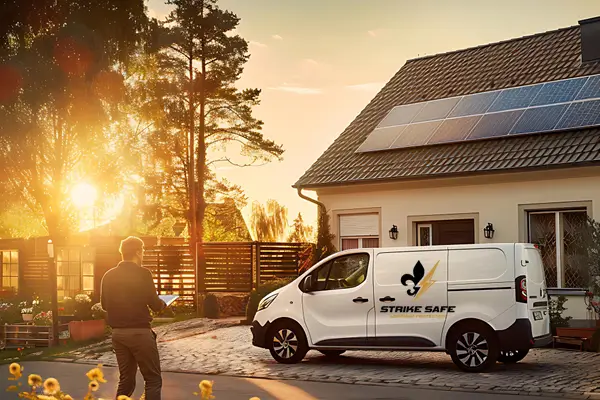
Protect Your Pensacola Home With Strike Safe Lightning Protection
At Strike Safe Lightning Protection, we design and install lightning protection systems built to perform in coastal Florida environments like Pensacola. Our systems are carefully installed to help protect homes from lightning-related fire, structural damage, and electrical hazards.
If your Pensacola home is near the coast, water, or open land, a professional lightning protection evaluation can help determine whether your property is properly protected before the next storm season.
Visit www.louisianalightningprotection.com to learn more about lightning rods and complete lightning protection systems for coastal Florida homes.
Why is Pensacola considered high risk for lightning?
Pensacola’s Gulf Coast location creates ideal conditions for frequent thunderstorms and lightning activity. According to the National Weather Service, coastal Florida experiences some of the highest lightning activity in the United States due to warm, humid air and storm patterns.
👉 Source: National Weather Service – Lightning Safety
https://www.weather.gov/safety/lightning
Do coastal homes in Pensacola need lightning rods?
Yes. Coastal homes are more exposed because of open terrain, proximity to water, and elevation. The NOAA explains that coastal environments increase storm intensity and lightning risk, making lightning protection especially important for waterfront properties.
👉 Source: NOAA – Coastal Hazards
https://oceanservice.noaa.gov/hazards/
Can lightning rods prevent fires in Pensacola homes?
Lightning rods help reduce the risk of lightning-related fires by safely directing lightning energy away from roofing materials and structural components. The National Fire Protection Association (NFPA) recognizes lightning as a significant cause of structural fires when homes are not properly protected.
👉 Source: NFPA – Fire & Lightning Safety
https://www.nfpa.org
Are lightning rods effective in sandy coastal soil?
Yes—when properly designed and installed. Coastal soil conditions, such as sand, require specific grounding methods to safely disperse lightning energy. The National Severe Storms Laboratory (NOAA) explains that proper grounding is essential to controlling lightning energy and preventing damage.
👉 Source: NOAA National Severe Storms Laboratory
https://www.nssl.noaa.gov/education/svrwx101/lightning/
Does salt air affect lightning protection systems?
Salt air can accelerate corrosion on exposed materials, which is why coastal lightning protection systems should use corrosion-resistant components and be inspected periodically. According to NOAA, coastal environments are harsher on building materials due to moisture and salt exposure.
👉 Source: NOAA Ocean Service
https://oceanservice.noaa.gov
Is professional installation required for lightning rods?
Professional installation is strongly recommended. The CDC warns that lightning can cause fires, structural damage, and electrical hazards if not properly controlled, which is why professionally designed systems are critical in high-risk areas like Pensacola.
👉 Source: CDC – Lightning Safety
https://www.cdc.gov/lightning/index.html
How often should lightning protection systems be inspected in Pensacola?
Homes in coastal environments should have lightning protection systems inspected periodically to ensure grounding remains effective and materials have not deteriorated. FEMA recommends routine inspections for storm-related safety systems, especially in coastal regions.
👉 Source: FEMA – Ready.gov
https://www.ready.gov
About Strike Safe Lightning Protection
At Strike Safe Lightning Protection, we’ve been installing reliable lightning protection rods for generations, earning a trusted reputation for quality craftsmanship and affordable pricing. Our team provides nationwide service, with a strong focus on the Gulf and Southern regions—including Louisiana, Gulfport, Mobile, Gulf Shores, Hattiesburg, Memphis, Little Rock, Jonesboro, Beaumont, Montgomery, Rapid City, Austin, Texas and Pensacola. Whether it’s a residential home, farm, or commercial property, Strike Safe delivers proven lightning safety solutions designed to protect what matters most.